
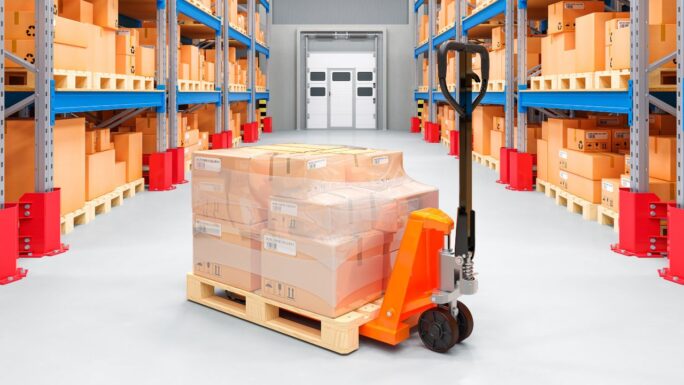
Efficient material handling is important for businesses that manage inventory, transport goods, and operate warehouses or manufacturing facilities. Moving heavy pallets manually can take considerable time and effort, especially in workplaces with frequent loading, unloading, and stock movement. Using suitable material handling equipment helps simplify these tasks and improve daily operations.
A quality pallet jack is an essential tool for moving palletized goods safely and efficiently. It allows workers to lift and transport heavy loads across short distances with less physical effort. Choosing reliable equipment can also help reduce workplace risks, improve productivity, and support long-term operational needs.
A quality pallet jack helps improve material handling in warehouses, factories, and retail facilities. Here are several reasons why choosing a quality pallet jack matters for business operations.
1. Improves Material Handling Efficiency
A quality pallet jack helps workers move palletized goods more efficiently. Instead of carrying or manually shifting heavy items, employees can use the equipment to lift and transport multiple products at once.
This is particularly useful in warehouses and manufacturing facilities where goods need to move between storage areas, loading zones, and production lines. A suitable pallet jack reduces unnecessary handling time and helps employees complete daily tasks more quickly.
When selecting equipment, consider the following features:
- Smooth Steering: Makes it easier to maneuver loads around the workplace.
- Reliable Lifting Mechanism: Supports consistent lifting and lowering operations.
- Suitable Load Capacity: Allows workers to transport goods within the equipment’s rated limits.
These features can make routine material handling tasks easier and more consistent.
2. Supports Safer Workplace Operations
Moving heavy loads manually can increase the risk of workplace injuries, especially when employees handle bulky or awkwardly positioned goods. A suitable pallet jack helps reduce the physical effort required to transport palletized materials.
Quality equipment should provide stable load support, responsive controls, and reliable braking where applicable. These features help operators maintain better control when moving goods through workplace areas.
Businesses should also establish safe operating practices, such as:
- Training employees to operate pallet jacks correctly.
- Checking the equipment before each use.
- Keeping loads within the recommended weight capacity.
- Ensuring pallets are properly positioned before lifting.
- Keeping pathways clear when transporting goods.
Proper equipment use and employee training can help prevent accidents and create a safer working environment.
3. Handles Different Load Requirements
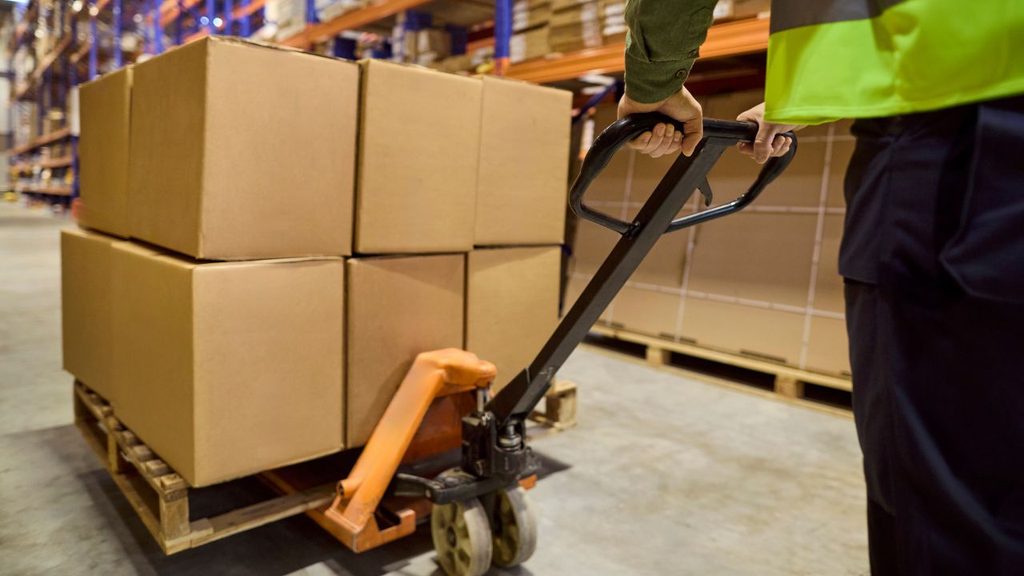
Different businesses handle different types of products and pallet loads. A warehouse may move packaged goods, while a manufacturing facility may transport raw materials or finished products between workstations.
A quality pallet jack should match the weight, dimensions, and handling requirements of the materials being transported. Choosing equipment with an appropriate load capacity helps prevent overloading and supports reliable operation.
Before purchasing, businesses should consider:
- Load Weight: Check the maximum weight of the goods being transported.
- Pallet Dimensions: Ensure the forks fit the pallets used in daily operations.
- Lifting Height: Select equipment that meets the required lifting range.
- Available Space: Consider the width of aisles and movement areas.
Selecting suitable specifications allows the equipment to perform effectively within the intended working environment.
4. Reduces Product and Equipment Damage
Improper handling can cause products to fall, shift, or become damaged during transportation. Using a reliable pallet jack helps workers move goods with better stability and control.
Quality equipment with strong forks and a durable frame can support loads more consistently. This is particularly important when transporting fragile products, stacked cartons, or valuable materials.
Businesses can also reduce handling damage by following a few basic practices:
- Position pallets evenly on the forks.
- Avoid carrying unstable or unevenly distributed loads.
- Move goods at a controlled speed.
- Check pallets for damage before lifting.
- Avoid sudden turns when transporting heavy materials.
These practices help protect products and reduce unnecessary replacement costs.
5. Offers Better Durability and Reliability
A pallet jack used daily needs to withstand regular movement and heavy workloads. Poor-quality equipment may break down frequently, develop worn wheels, or have lifting issues that disrupt daily operations.
Investing in a quality pallet jack can provide better durability and more dependable performance. Businesses should check the construction materials, hydraulic system, wheels, and overall build quality before purchasing.
Regular maintenance is equally important. This may include:
- Inspecting forks and frames for visible damage.
- Checking hydraulic components for leaks.
- Examining wheels for wear and damage.
- Testing lifting and lowering functions.
- Replacing worn parts when necessary.
Keeping equipment in good condition can help extend its service life and reduce unexpected disruptions.
6. Improves Workplace Productivity
Suitable equipment helps employees handle materials more easily and with less physical effort. A suitable pallet jack can reduce the time needed to move goods between different work areas, allowing staff to focus on other responsibilities.
For businesses with high inventory movement, having reliable equipment readily available can also reduce waiting times and improve workflow coordination.
A suitable pallet jack should offer convenient handling, smooth movement, and practical design features. These qualities help employees perform daily tasks more efficiently, particularly during busy operating periods.
7. Suitable for Different Working Environments
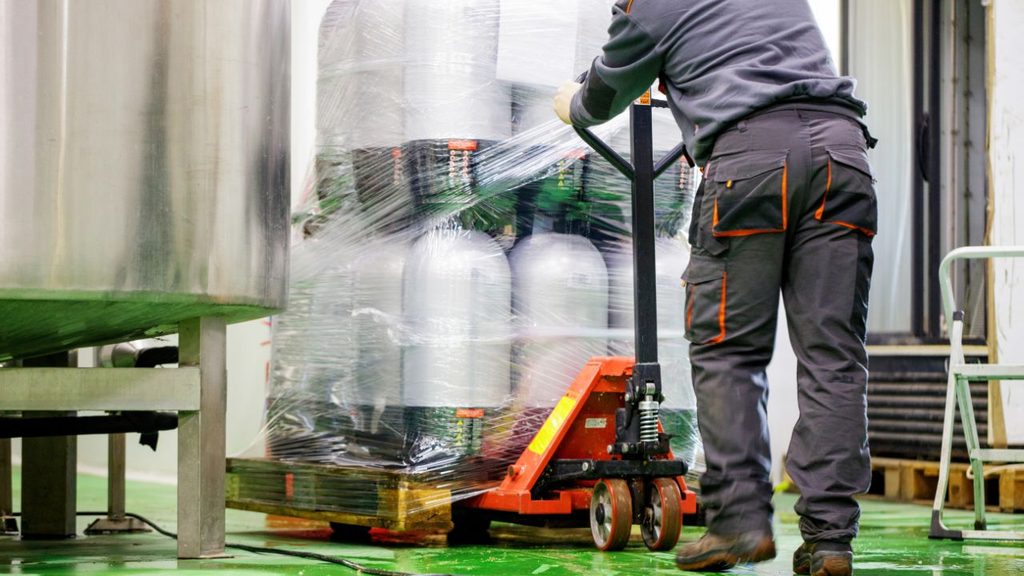
Pallet jacks are used across various industries, including warehousing, manufacturing, logistics, retail, and distribution. However, different working environments may require different equipment specifications.
For example, warehouses with narrow aisles may benefit from compact pallet jacks that are easier to maneuver. Manufacturing facilities may require models with higher load capacities to transport heavier materials between production areas.
Businesses should also consider workplace flooring. Smooth warehouse floors may be suitable for standard wheels, while other environments may require different wheel materials for better movement and durability.
Understanding these requirements helps businesses select equipment that fits their daily operations and workplace conditions.
8. Helps Control Long-Term Operating Costs
Although quality equipment may require a higher initial investment, it can offer better value over time. Durable construction and reliable performance may reduce the need for frequent repairs or equipment replacement.
Unexpected breakdowns can also affect productivity by delaying material movement and disrupting daily operations. Choosing dependable equipment helps businesses manage these risks and maintain smoother workflows.
Before purchasing, compare important factors such as:
- Equipment specifications and load capacity.
- Construction quality and expected durability.
- Warranty coverage and maintenance requirements.
- Availability of replacement parts.
- Supplier experience and after-sales support.
A reliable supplier should provide clear product information and assistance when replacement parts or servicing are needed.
Conclusion
A quality pallet jack plays an important role in efficient material handling. It helps businesses move goods more easily, improve workplace safety, reduce product damage, and maintain consistent operations. Choosing equipment with suitable specifications, durable construction, and reliable performance can also support long-term cost management.
Before purchasing, assess your workplace requirements, load capacity, operating conditions, and maintenance needs. Choosing the right material handling equipment can support smoother warehouse operations and improve overall productivity.