
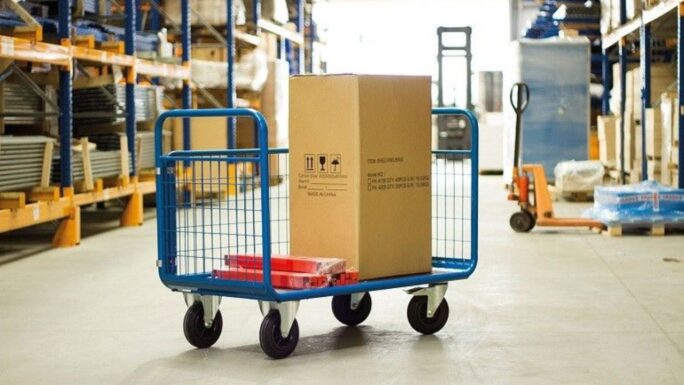
Material handling is essential in warehouses, factories, workshops, retail facilities, and other commercial environments. Trolleys provide a practical way to move goods, tools, equipment, and materials while reducing manual effort.
Choosing the right trolley supplier in Malaysia helps businesses find equipment suited to their operational needs. Factors such as product quality, load capacity, design, durability, pricing, and after-sales support should be considered when selecting a supplier.
Understanding Your Material Handling Needs
Before contacting a trolley supplier, businesses should identify how the equipment will be used. Different workplaces may require different trolley designs based on the type of materials being moved, transportation distance, floor conditions, and frequency of use.
Important factors to consider include:
- Load Capacity: Check the maximum load the trolley needs to support.
- Material Type: Consider whether the trolley will transport boxes, tools, machinery components, containers, or other items.
- Workplace Conditions: Evaluate whether the trolley will be used indoors, outdoors, on smooth floors, or on uneven surfaces.
- Frequency of Use: Frequent daily use may require a more durable trolley design.
- Movement Requirements: Consider how far materials need to be transported and how often the trolley will be moved.
- Storage Space: Check whether the trolley can be stored conveniently when not in use.
Understanding these requirements makes it easier to discuss suitable options with a supplier.
Selecting the Right Type of Trolley
Trolleys are available in various designs to suit different material handling needs. The right model should offer adequate capacity, functionality, and ease of movement.
- Platform Trolleys: Suitable for boxes and general goods.
- Service Trolleys: Useful for moving tools, supplies, and equipment.
- Warehouse Trolleys: Designed for common warehouse handling tasks.
- Cage Trolleys: Provide additional containment for loose items.
- Heavy-Duty Trolleys: Suitable for heavier loads and demanding industrial environments.
Checking Load Capacity
Load capacity is one of the most important specifications when choosing a trolley. Businesses should determine the maximum load that will be transported and select equipment with an appropriate rated capacity.
Using a trolley beyond its recommended capacity may affect stability, maneuverability, wheels, frame components, and overall performance. A supplier should provide clear product specifications so businesses can select equipment based on actual handling requirements.
It is also important to consider how loads are distributed across the trolley. Unevenly positioned materials may affect balance even when the total weight is within the rated capacity.
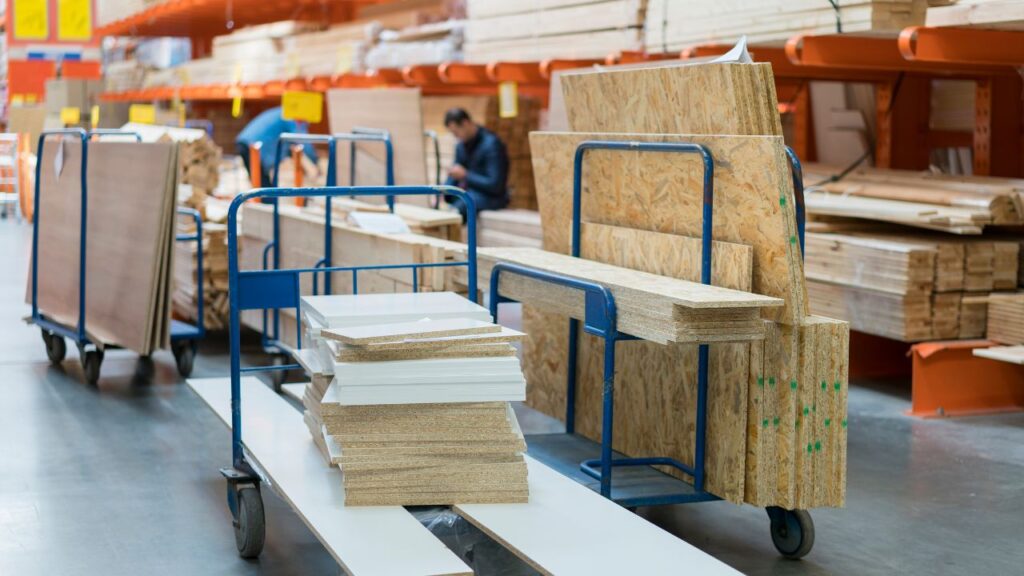
Evaluating Trolley Construction and Materials
The materials and construction of a trolley can affect its durability and suitability for different environments. Common materials include steel, stainless steel, aluminum, and other engineered materials.
Steel trolleys may be suitable for demanding industrial applications because of their strength. Stainless steel models may be preferred in environments where corrosion resistance and easy cleaning are important. Lightweight materials may be useful where frequent movement and easier handling are priorities.
Businesses should consider the working environment before selecting a material. Exposure to moisture, chemicals, heat, or outdoor conditions may require specific construction and protective features.
Considering Wheels and Maneuverability
The type and design of wheels can affect how easily a trolley moves. The appropriate wheel type depends on the floor surface, load, environment, and frequency of movement.
Important wheel considerations include:
- Wheel size
- Wheel material
- Swivel or fixed configuration
- Load rating
- Floor compatibility
- Braking requirements
Larger wheels may help with movement over certain uneven surfaces, while suitable swivel wheels can improve maneuverability in confined areas. Brakes may also be useful when the trolley needs to remain stationary during loading or unloading.
A reliable trolley supplier in Malaysia should be able to guide wheel configurations based on the intended workplace.
Considering Ergonomics and Worker Safety
Trolley design can also influence worker comfort and safety. Handles should be positioned at a practical height, while the trolley should be stable and manageable during movement.
A suitable trolley can help reduce unnecessary lifting and carrying. However, workers should still follow proper material handling procedures and avoid exceeding the equipment’s rated capacity.
Businesses should also consider features such as ergonomic handles, stable platforms, protective edges, brakes, and appropriate wheel designs when selecting equipment.
Comparing Supplier Quality and Product Reliability
The supplier’s product quality is an important consideration for businesses making a material handling investment. A trolley that frequently requires repairs or replacement may create additional costs and operational disruption.
When comparing suppliers, businesses can review:
- Product specifications
- Manufacturing quality
- Available models
- Material quality
- Load capacity
- Product warranties, where applicable
- Replacement parts
- Customer support
Clear product information can help businesses compare different options more effectively.
Checking Customization Options
Some businesses may have specific material handling needs that standard trolley models cannot fully meet. In these cases, customization may be useful.
A supplier may offer options such as different dimensions, platform sizes, wheel configurations, handles, shelves, finishes, or load capacities depending on the product range.
Before requesting customization, businesses should clearly explain their operational requirements. This allows the supplier to determine whether a modified or specialized trolley is appropriate.

Evaluating Pricing and Long-Term Value
Price is an important consideration, but businesses should avoid choosing equipment based only on the lowest initial cost. A cheaper trolley may not provide the durability, capacity, or features required for frequent use.
Businesses should consider the total value of the equipment, including:
- Initial purchase price
- Expected service life
- Maintenance requirements
- Replacement parts
- Repair costs
- Downtime
- Warranty coverage
Comparing these factors can help businesses make a more informed purchasing decision.
Delivery and After-Sales Support
Delivery arrangements can be important when businesses need several trolleys or require equipment for a specific project. Suppliers should provide clear information about availability, lead times, delivery arrangements, and order quantities.
After-sales support is also valuable. Businesses may need replacement wheels, components, maintenance guidance, or technical assistance after purchasing the equipment.
A supplier that provides responsive support can make it easier to maintain the equipment and address issues when they arise.
Choosing a Trolley Supplier Malaysia
When selecting a trolley supplier in Malaysia, businesses should evaluate product quality, specifications, durability, pricing, delivery, customization options, and after-sales support. It is also useful to choose a supplier that understands the practical requirements of different material handling environments.
A professional supplier should provide clear product information and help businesses select equipment based on load requirements, workplace conditions, frequency of use, and handling tasks.
Conclusion
Choosing the right trolley is an important part of creating an efficient material handling system. The suitable equipment can help workers move goods and materials more conveniently while supporting daily warehouse, industrial, commercial, and facility operations.
When evaluating a trolley supplier in Malaysia, businesses should look beyond price and consider product construction, load capacity, wheels, maneuverability, safety features, customization, delivery, and after-sales support. Businesses can make informed trolley selections by assessing their handling requirements and comparing suitable suppliers.