
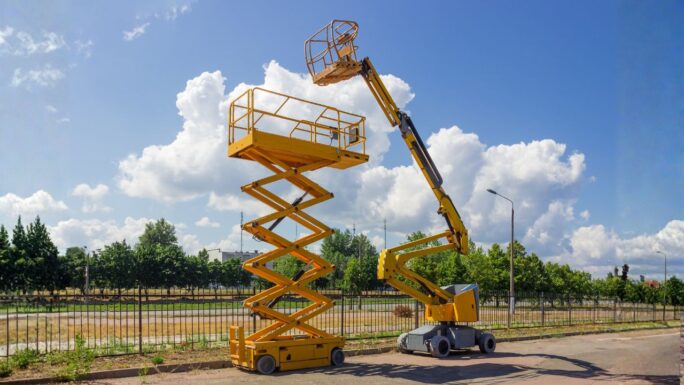
Material handling and workplace ergonomics are important considerations in warehouses, factories, workshops, distribution centers, and other industrial environments. Workers may regularly need to lift, lower, position, and transport materials at different heights. Performing these tasks manually can require significant physical effort and may make certain operations less efficient.
A scissor lift table provides a practical solution for raising and lowering materials to a more suitable working height. These lifting platforms are available in different capacities, sizes, lifting mechanisms, and configurations. Choosing the right model requires careful consideration of the workplace, load requirements, lifting height, platform dimensions, and frequency of use.
Understanding How a Scissor Lift Table Works
A scissor lift table uses linked support arms that move in a scissor-like motion to raise or lower a platform. Depending on the model, the lifting mechanism may be hydraulic, electric, pneumatic, or manually operated.
The platform can be used to position materials at a suitable height for loading, unloading, assembly, inspection, packing, or other workplace activities.
Different models are designed for different applications, so businesses should understand their operational requirements before selecting equipment.
Determine the Required Load Capacity
Load capacity is one of the most important factors when choosing a scissor lift table. Businesses should determine the maximum weight that will be placed on the platform and select a model with an appropriate rated capacity.
When assessing load requirements, consider:
- Maximum load weight
- Typical load weight
- Load distribution
- Frequency of lifting
- Size and shape of materials
- Additional equipment placed on the platform
The load should be distributed appropriately across the platform. Businesses should avoid exceeding the manufacturer’s rated capacity, as overloading can affect equipment stability, performance, and safety.
Consider the Required Lifting Height
The required lifting range depends on how the equipment will be used. Some workplaces may only need minor height adjustments, while others may require materials to be raised significantly.
Consider both the lowest and highest required platform positions. The table should provide enough height adjustment for the intended application without creating unnecessary limitations.
For example, a lift table used for packing may need to raise materials to a comfortable working height, while a loading application may require a greater lifting range.
Select the Appropriate Platform Size
Platform dimensions should match the size and type of materials being handled. A platform that is too small may make it difficult to position loads safely, while an unnecessarily large platform may require more workplace space.
Businesses should consider:
- Load dimensions
- Platform width and length
- Available floor space
- Access around the equipment
- Load stability
- Storage requirements
The platform should provide enough working area for the intended materials while fitting comfortably within the workplace.
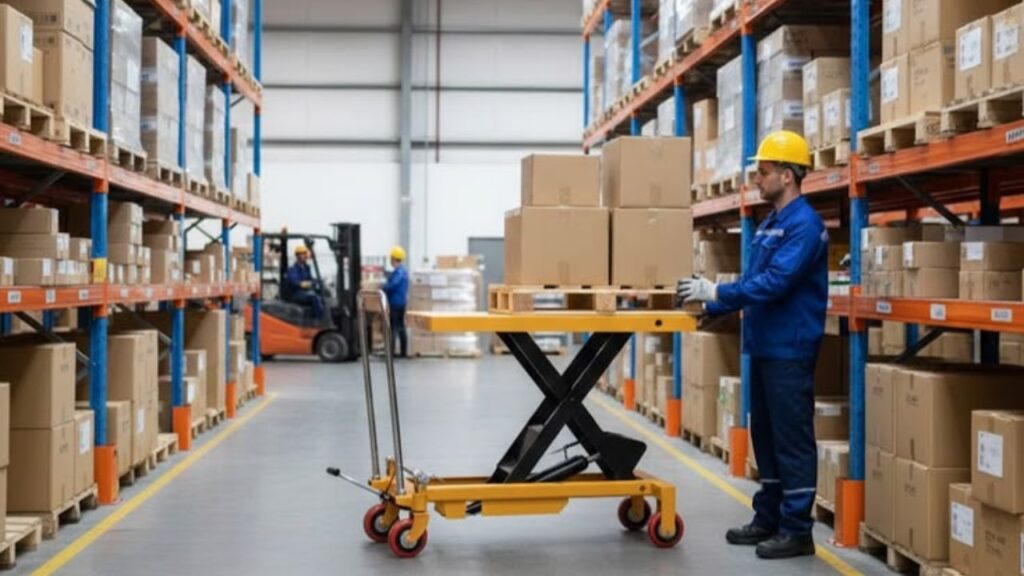
Choose the Right Lift Mechanism
Scissor lift tables can use different lifting mechanisms, and each may be suitable for specific applications.
- Hydraulic Lift Tables: Offer smooth lifting performance for a range of industrial applications.
- Electric Lift Tables: Suitable for frequent height adjustments with powered lifting.
- Manual Lift Tables: Suitable for lighter loads and occasional lifting.
Choose the mechanism based on load, usage frequency, power availability, and workplace needs.
Consider Mobility and Portability
Some scissor lift tables are stationary, while others are designed with wheels or casters for easier movement. Businesses should determine whether the equipment will remain in one location or be moved between work areas.
Mobile models can be useful when materials need to be positioned at different locations. Stationary models may be more suitable for fixed production, assembly, or loading points.
When selecting a mobile lift table, consider wheel size, braking systems, floor conditions, and the total weight of the equipment and load.
Evaluate Workplace Conditions
The operating environment can influence the specifications required for a scissor lift table. Industrial workplaces may expose equipment to dust, moisture, chemicals, temperature changes, or heavy daily use.
Consider whether the lift table will be used:
- Indoors or outdoors
- On smooth or uneven floors
- In dry or wet environments
- Near chemicals or corrosive materials
- In high-traffic areas
- Around heavy machinery
Materials, finishes, wheels, and other components should be suitable for the operating environment.
Consider Ergonomics and Worker Comfort
One advantage of a scissor lift table is its ability to position materials at a more suitable working height. This can support tasks such as assembly, packing, sorting, and inspection.
Businesses should consider the height range needed to reduce unnecessary bending, reaching, or lifting during routine activities.
The lift table should also be easy to operate and position. Controls, handles, brakes, and other features should be accessible and practical for the intended users.
Review Safety Features
Safety should be considered when selecting and operating lifting equipment. A suitable scissor lift table should include safety features appropriate to its design and intended application.
Depending on the model, features may include:
- Platform safety edges
- Guardrails
- Emergency stop controls
- Mechanical safety locks
- Overload protection
- Wheel brakes
- Anti-slip platform surfaces
Businesses should review the manufacturer’s specifications and operating instructions before purchasing equipment. Workers should also receive appropriate training on safe operation and load handling.
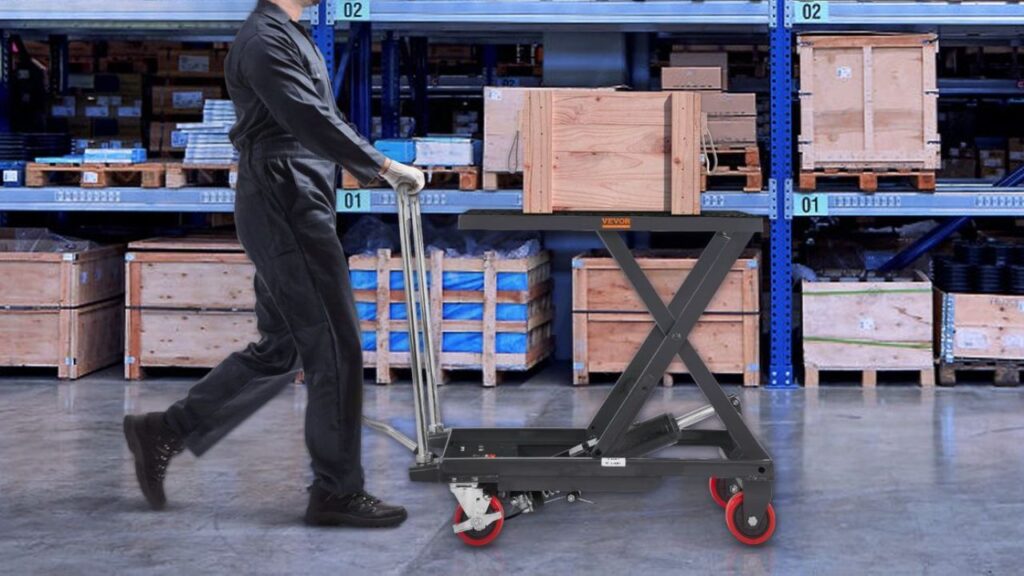
Consider Frequency of Use
The frequency of lifting operations can influence the type of scissor lift table required. Equipment used occasionally may have different requirements from equipment operating throughout multiple shifts every day.
For frequent applications, businesses may prioritize durable construction, powered operation, suitable lifting speed, and easy maintenance. For occasional use, a simpler model may be sufficient if it meets the required capacity and safety specifications.
Understanding how often the equipment will be used can help businesses select a model that matches actual operational demands.
Check Maintenance Requirements
Regular maintenance helps keep lifting equipment in suitable working condition. Before purchasing a scissor lift table, businesses should understand its maintenance requirements and the availability of replacement parts.
Important considerations include:
- Inspection requirements
- Hydraulic or electrical components
- Wheel and caster maintenance
- Lubrication requirements
- Replacement parts
- Service support
A supplier should provide suitable maintenance information and technical support where applicable.
Choosing the Right Scissor Lift Table
The right scissor lift table should match the workplace’s load requirements, lifting height, platform size, operating environment, mobility needs, and frequency of use. Businesses should also consider ergonomics, safety features, maintenance, and supplier support before making a purchase.
A suitable lift table can support material positioning and handling tasks across warehouses, factories, workshops, production areas, and other industrial workplaces. Selecting equipment based on actual operational requirements can help businesses achieve more practical and efficient material handling.
Conclusion
Choosing a scissor lift table requires more than selecting equipment based on lifting capacity alone. Load size, lifting height, platform dimensions, lift mechanism, mobility, workplace conditions, safety features, and frequency of use all influence which model is suitable.
Clearly defining material handling requirements can help businesses compare equipment based on quality, specifications, maintenance, and supplier support. Working with an experienced scissor lift table supplier can help businesses select equipment that meets their handling needs and workplace requirements.