
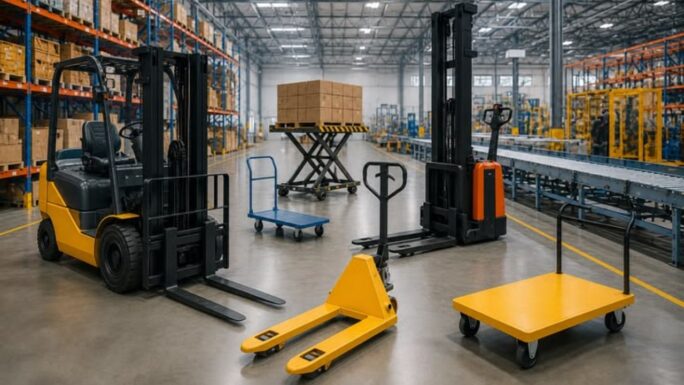
Material handling equipment plays an important role in warehouses, factories, logistics centers, and other industrial facilities. It helps businesses move, lift, transport, and store goods more efficiently while reducing manual effort. Choosing suitable equipment can also improve workplace safety and support smoother daily operations.
Different businesses have different handling requirements. Some may need pallet jacks and hand trucks for moving goods, while others require lift tables, stackers, or forklifts for heavier materials. When buying material handling equipment in Malaysia, businesses should consider their operating needs, load capacity, available space, equipment quality, and budget to make a suitable purchasing decision.
1. Identify Your Material Handling Requirements
Start by understanding the types of materials your business needs to move or lift. Different products require different handling methods, depending on their weight, dimensions, shape, and storage requirements.
For example, warehouses handling palletized goods may need pallet jacks or pallet trucks, while manufacturing facilities may require lift tables to position materials at suitable working heights.
Consider the following requirements:
- Material Type: Identify whether you handle boxes, pallets, machinery parts, or bulky products.
- Load Weight: Determine the average and maximum weight of materials being transported.
- Load Dimensions: Consider the size and shape of materials when selecting suitable equipment.
- Handling Frequency: Consider how often materials need to be moved throughout the day.
Understanding these requirements helps narrow down the available equipment options and prevents businesses from purchasing unsuitable machinery.
2. Check Equipment Load Capacity
Load capacity is one of the most important factors when purchasing material handling equipment. Each machine has a maximum load limit, and exceeding it may affect performance and increase safety risks.
Businesses should choose equipment that can accommodate their regular handling requirements without operating beyond its rated capacity. It is also important to consider the heaviest loads rather than relying only on average weight.
When checking load capacity, consider:
- Maximum weight of the materials being handled.
- Weight distribution and load positioning.
- Required lifting height.
- Frequency of heavy lifting and transportation.
For equipment such as forklifts and lift tables, businesses should also check how lifting height and equipment configuration affect the rated capacity.
3. Consider Your Workplace Layout and Available Space
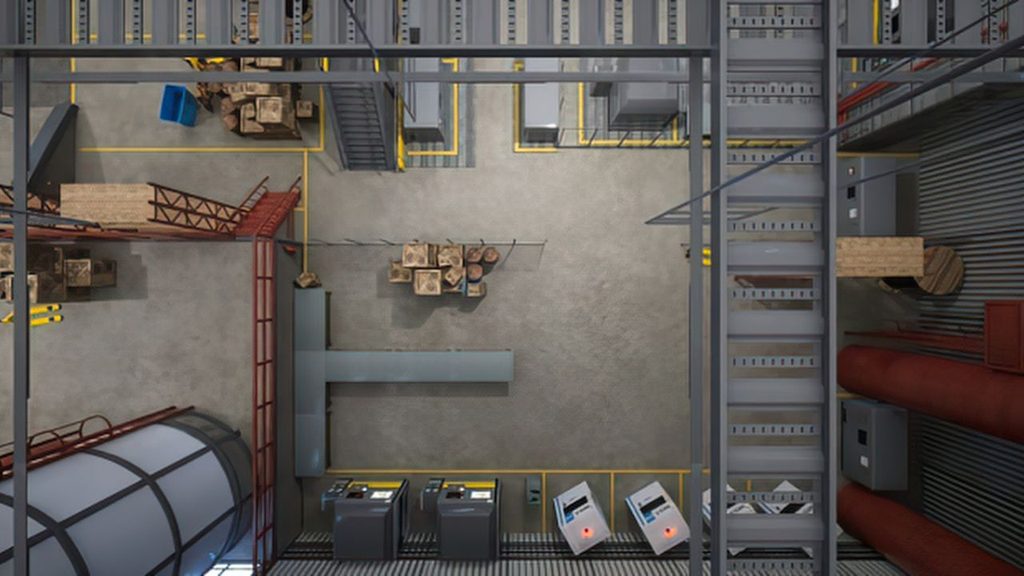
The workplace layout can influence which type of material handling equipment is suitable. Warehouses with narrow aisles may require compact equipment, while larger industrial facilities may have enough space for forklifts and other powered machinery.
Before purchasing, assess the available operating area and identify any physical restrictions. This helps ensure employees can move equipment without unnecessary difficulty.
Important factors include:
- Aisle Width: Ensure equipment can move and turn comfortably between storage racks.
- Floor Conditions: Check whether the flooring is suitable for the equipment and expected loads.
- Ceiling Height: Consider overhead clearance when selecting lifting equipment.
- Storage Layout: Ensure the equipment can access loading zones, storage areas, and workstations.
- Movement Routes: Check doorways, ramps, and other pathways used for transporting goods.
These considerations help businesses select equipment that fits their facilities and supports efficient material movement.
4. Choose Equipment with Suitable Safety Features
Workplace safety should always be considered when purchasing material handling equipment. Employees may need to move heavy materials through busy work areas, making reliable equipment and proper handling procedures essential.
Look for equipment with suitable safety features, such as:
- Reliable braking systems.
- Stable load support.
- Easy-to-use operating controls.
- Durable frames and lifting components.
- Emergency stop functions for powered equipment, where applicable.
Businesses should also consider operator training and equipment inspection requirements. Employees need to understand how to operate the machinery correctly, identify potential problems, and follow workplace safety procedures.
Choosing suitable equipment and maintaining proper operating practices can help reduce accidents and protect both workers and goods.
5. Evaluate Equipment Quality and Durability
Material handling equipment is often used repeatedly throughout the working day. Choosing poorly constructed machinery may lead to frequent breakdowns, reduced performance, and additional maintenance expenses.
Businesses should inspect the equipment’s construction and important components before purchasing. Durable materials and reliable mechanisms can support regular use in demanding industrial environments.
Consider these quality factors:
- Frame Construction: Ensure the frame is durable enough to handle the required workload.
- Wheels and Forks: Look for durable components that can withstand regular movement and handling.
- Lifting Mechanism: Ensure hydraulic or mechanical systems operate smoothly.
- Overall Design: Check whether the equipment is suitable for its intended application.
Investing in well-built equipment can help businesses maintain consistent performance and reduce unnecessary replacement costs.
6. Compare Manual and Powered Equipment
Material handling equipment is available in manual and powered options. The right choice depends on the workload, operating environment, and frequency of use.
Manual equipment is generally suitable for lighter handling tasks and shorter movement distances. Powered equipment may be more practical for businesses that regularly transport heavier loads or manage high volumes of goods.
Common options include:
- Manual Pallet Jacks: Suitable for moving palletized goods across short distances.
- Electric Pallet Trucks: Help reduce manual effort when transporting heavier loads.
- Hand Stackers: Help lift and stack goods at various heights.
- Lift Tables: Raise or lower materials to convenient working positions.
- Forklifts: Suitable for lifting and transporting heavy palletized goods.
Compare the capabilities of each option before deciding. Choosing equipment based on actual workload requirements can help businesses avoid unnecessary spending.
7. Review Maintenance Requirements and Spare Parts Availability
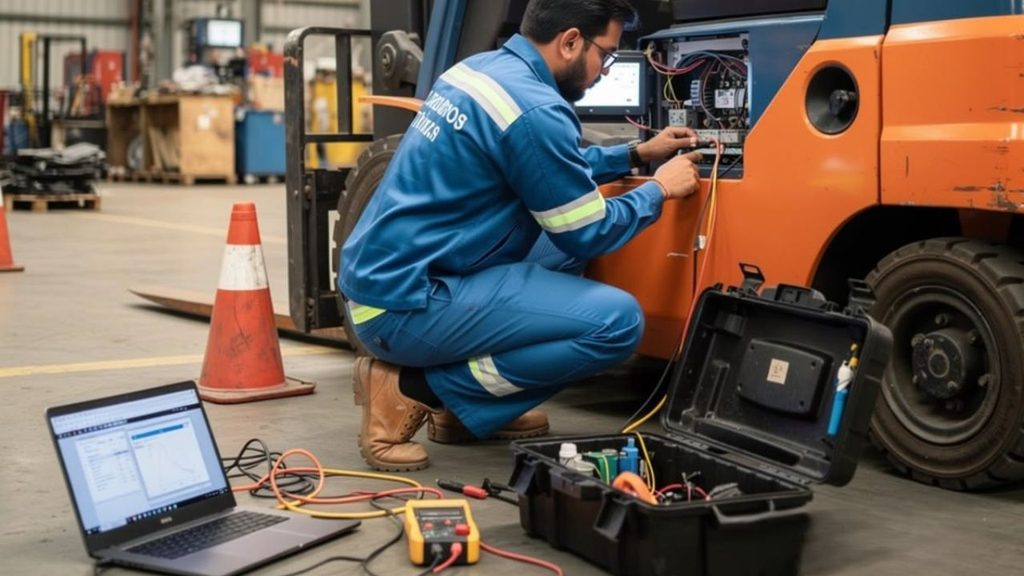
Regular maintenance is necessary to keep material handling equipment in good working condition. Before purchasing, businesses should understand the recommended servicing schedule and availability of replacement parts.
Equipment that is difficult to maintain may cause longer downtime when repairs are needed. This can affect warehouse activities and delay the movement of goods.
Ask the supplier about:
- Recommended inspection and maintenance schedules.
- Availability of replacement parts.
- Warranty coverage and repair services.
- Technical assistance and servicing support.
- Estimated maintenance requirements.
Having access to suitable maintenance support helps businesses keep their equipment reliable and extend its service life.
8. Compare Prices and Choose a Reliable Supplier
Price is an important consideration, but businesses should not base their purchasing decisions on the initial cost alone. Cheaper equipment may require more frequent repairs or replacement, which can increase long-term expenses.
When comparing material handling equipment in Malaysia, review the product specifications, quality, warranty, and supplier services. Request quotations from different suppliers to understand the available options.
A reliable supplier should be able to provide:
- Clear product specifications and technical information.
- Suitable equipment recommendations.
- Warranty and after-sales support.
- Replacement parts and maintenance assistance.
- Delivery arrangements and product availability.
Working with an experienced supplier can help businesses identify equipment that matches their operational needs and budget.
Conclusion
Buying suitable material handling equipment requires careful consideration of load capacity, workplace layout, safety features, equipment quality, and maintenance requirements. Businesses should also compare manual and powered options to find machinery that matches their daily operations.
By considering these factors and , businesses can choose equipment that improves material handling safety, supports employee productivity, and ensures smoother daily operations.