
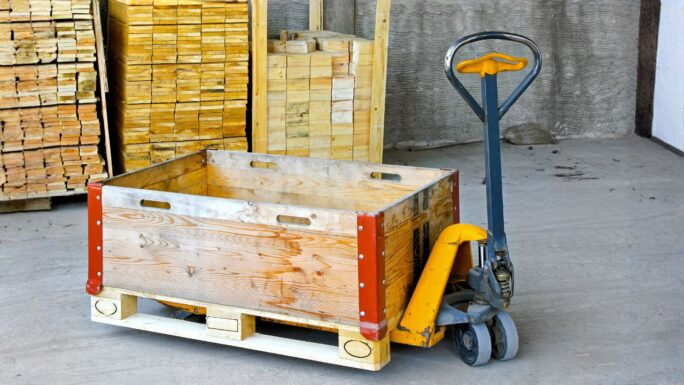
A pallet jack is an essential material handling tool for businesses that need to move palletized goods efficiently. Commonly used in warehouses, factories, retail stores, distribution centers, and loading areas, it helps workers transport heavy loads over short distances with less manual effort. Choosing the right pallet jack can improve workplace productivity, support safer handling practices, and make better use of available storage space.
However, not every pallet jack is suitable for every business. Load capacity, fork dimensions, operating environment, maneuverability, and maintenance requirements all influence purchasing decisions. Businesses should evaluate their daily material handling requirements and compare suitable equipment options before making a purchase.
1. Determine the Required Load Capacity
Load capacity is a key factor when buying a pallet jack. Choosing a model that cannot handle your loads may cause equipment damage or workplace accidents.
Determine the average and maximum pallet weights your business handles, considering variations in products and shipment sizes.
When evaluating load capacity, consider the following:
- Typical pallet weight: Determine the weight of goods commonly moved during daily operations.
- Maximum load: Account for heavier pallets that may be handled occasionally.
- Load distribution: Ensure goods are positioned evenly and remain within the equipment’s rated limits.
- Safety requirements: Never exceed the manufacturer’s specified capacity.
Choosing a pallet jack with a suitable rated capacity helps support reliable performance and safer material handling.
2. Choose Between Manual and Electric Pallet Jacks
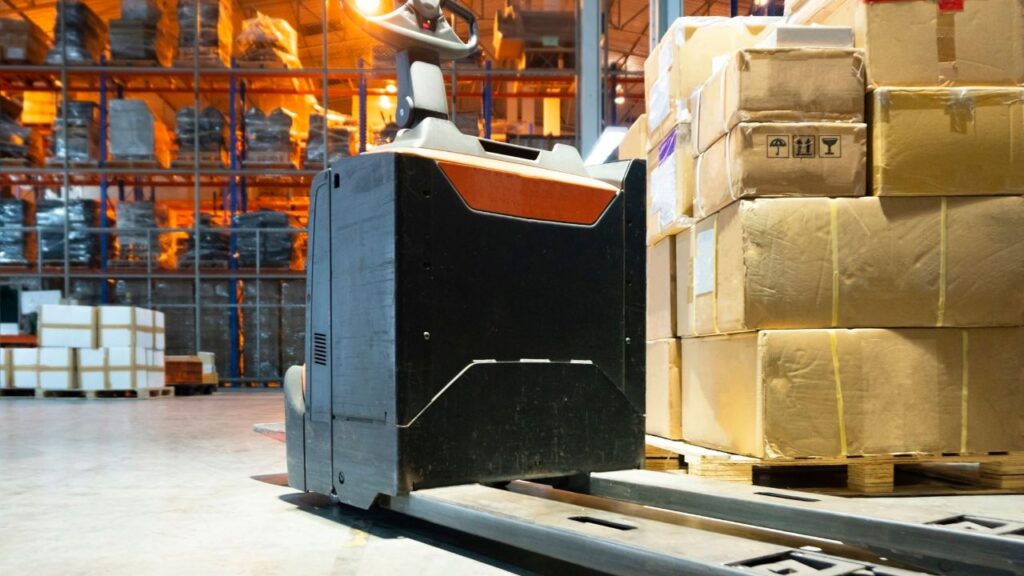
Pallet jacks come in manual and electric models, with the right choice depending on workload, travel distance, and budget. Manual models suit lighter workloads and short-distance movement, while electric pallet jacks reduce physical effort and support frequent handling over longer distances.
Consider these differences before purchasing:
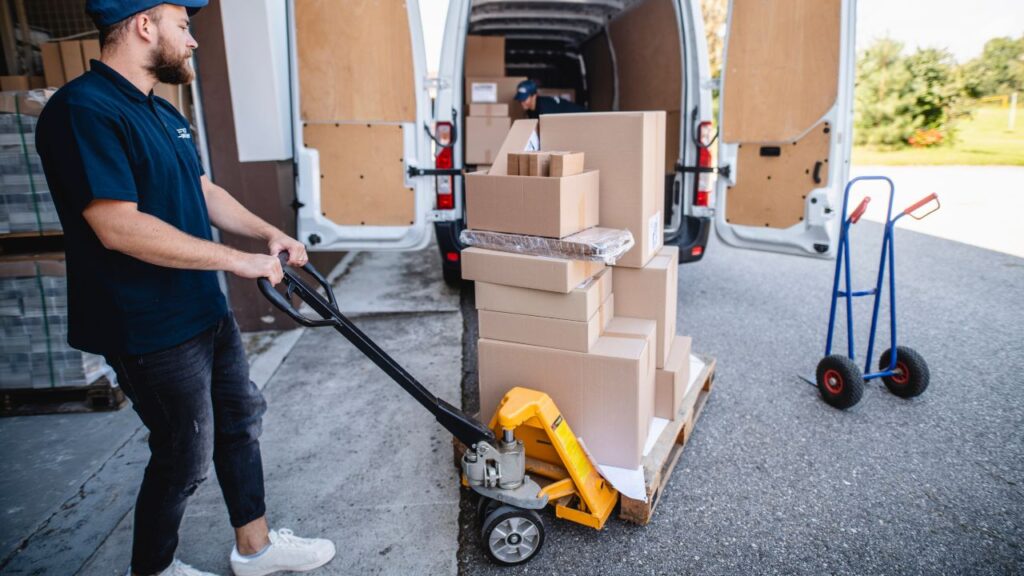
- Manual pallet jack: Generally has a lower initial cost, a simple operating mechanism, and fewer electrical components to maintain.
- Electric pallet jack: Can improve handling efficiency in busy operations and reduce the physical demands of moving loads.
- Workload: Frequent pallet movement may justify investing in powered equipment.
- Operating costs: Consider maintenance, battery charging, replacement parts, and training where applicable.
Businesses should compare the total cost of ownership rather than focusing only on the purchase price.
3. Check Fork Length and Width
Fork dimensions determine which pallet sizes a pallet jack can handle and how easily it moves through tight spaces. Before purchasing, measure your pallets and check their entry openings to ensure the forks provide proper support and fit correctly.
Important factors include:
- Fork length: Ensure the forks support the pallet adequately without extending excessively beyond the load.
- Fork width: Check that the forks fit the pallet openings and provide suitable support.
- Fork height: Confirm that the lifting and lowered heights suit your pallets and floor conditions.
- Pallet compatibility: Consider whether your business handles standard, oversized, or custom-sized pallets.
Verifying these measurements before purchasing helps prevent handling difficulties and improves operational efficiency.
4. Consider the Operating Environment
The operating environment affects a pallet jack’s performance and durability. Consider floor conditions, available space, ramps, and moisture exposure. Narrow aisles may require compact, maneuverable models, while damp or frequently cleaned areas need equipment suited to those conditions.
Before making a decision, consider:
- Floor conditions: Check whether the floor is smooth, uneven, or prone to debris.
- Available space: Ensure the pallet jack can turn and move safely through aisles and doorways.
- Moisture exposure: Choose suitable materials and components for damp environments.
- Temperature conditions: Verify that the equipment is appropriate for cold storage or other temperature-controlled areas.
- Travel distances: Consider whether workers need to move loads across short or extended routes.
Selecting equipment that matches the workplace helps improve usability and reduces unnecessary wear.
5. Evaluate Wheel Materials and Maneuverability
Wheel materials affect a pallet jack’s maneuverability, steering effort, and performance on different surfaces. Common options include polyurethane, nylon, and rubber, with the best choice depending on floor conditions and handling requirements.
- Polyurethane wheels: Ideal for many warehouse floors due to their quiet operation and reduced risk of floor damage.
- Nylon wheels: Provide easy rolling on smooth floors and are suitable for demanding material handling tasks.
- Rubber wheels: May provide better grip and quieter operation in certain environments.
In addition to wheel material, examine the steering mechanism, turning radius, and handle design. These features can make a difference when workers frequently maneuver around shelving, machinery, or other equipment.
6. Prioritize Safety and Operator Comfort
Safety and operator comfort are essential when choosing a pallet jack. Look for stable load support, suitable steering controls, and reliable braking where available. Electric models may also offer emergency stop functions, helping operators handle loads more safely and comfortably.
Before purchasing, consider:
- Handle design and ease of operation.
- Visibility around the load and travel path.
- Braking or parking features appropriate to the model.
- Emergency controls on powered equipment.
- Operator training and safe load-handling procedures.
Businesses should also establish procedures for inspecting equipment before use and removing damaged pallet jacks from service.
7. Compare Maintenance Requirements and Durability
Regular maintenance keeps a pallet jack in good working condition and minimizes downtime. Check spare parts availability and servicing requirements before buying. Manual models need hydraulic and wheel inspections, while electric models also require battery, motor, and electrical system maintenance.
Check the following before making your purchase:
- Build quality: Assess the frame, forks, wheels, and overall construction.
- Maintenance needs: Understand the recommended inspection and servicing schedule.
- Spare parts: Confirm that essential replacement components are available.
- Warranty coverage: Review the warranty period, exclusions, and claim procedures.
- Supplier support: Check whether technical assistance and repairs are available when needed.
A durable pallet jack with accessible servicing can help businesses manage operating costs over time.
8. Compare Prices and Choose a Reliable Supplier
The cheapest pallet jack may not provide the best long-term value. Compare specifications, warranty coverage, maintenance costs, and supplier support. Request quotations and check whether the supplier offers product demonstrations, technical advice, and after-sales service.
When comparing suppliers, consider:
- Product quality and rated load capacity.
- Availability of suitable models and replacement parts.
- Delivery arrangements and lead times.
- Warranty terms and servicing support.
- Total ownership costs over the expected service life.
A reliable supplier can help your business select equipment that fits its workload, budget, and operating environment.
Conclusion
Buying the right pallet jack requires careful consideration of load capacity, operating type, fork dimensions, workplace conditions, safety features, and maintenance requirements. Businesses should evaluate their daily material handling needs before choosing between manual and electric models.
By comparing specifications, assessing long-term costs, and working with a reliable supplier, businesses can invest in equipment that supports efficient operations and safer goods handling. A suitable pallet jack can become a valuable part of your material handling process, helping improve productivity and support daily warehouse activities.