
In logistics and warehouse operations, efficient material handling is essential for improving productivity and workplace safety. Heavy goods, pallets, and equipment require reliable solutions to support lifting, positioning, and transportation tasks.
A lift table for logistics and warehouse applications helps raise, lower, and position loads while reducing manual effort and physical strain. Lift tables improve safety and efficiency across loading, unloading, storage, and assembly tasks.
What Is a Lift Table?
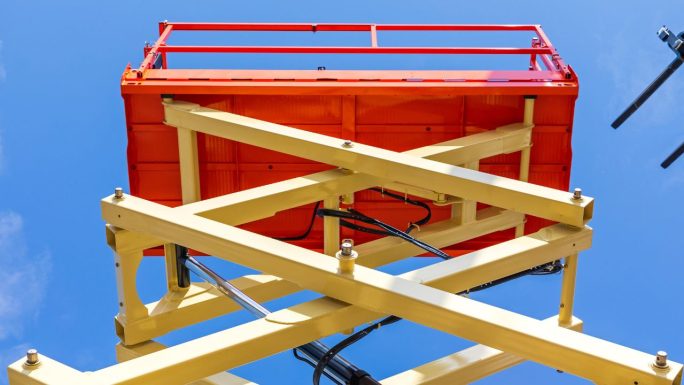
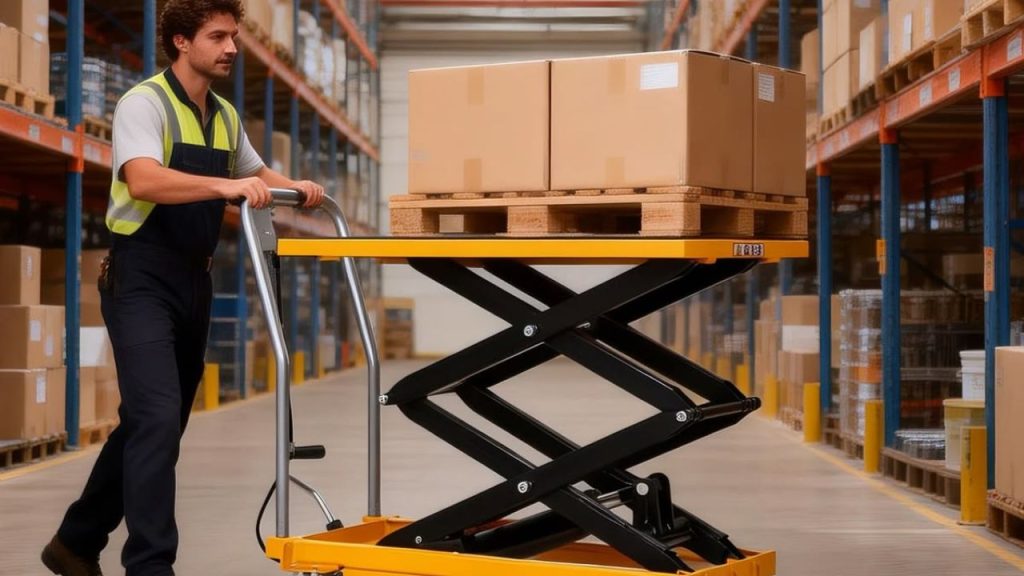
A lift table is a material handling device used to lift and lower heavy loads vertically. It consists of a platform supported by a lifting mechanism that allows operators to adjust the height of materials according to their working requirements.
Lift tables are commonly used in:
- Warehouses.
- Distribution centers.
- Manufacturing facilities.
- Logistics operations.
- Packaging areas.
- Assembly lines.
They come in various designs, sizes, and load capacities to suit different workplace requirements.
Common types of lift tables include:
- Hydraulic lift tables.
- Electric lift tables.
- Scissor lift tables.
- Mobile lift tables.
- Stationary lift tables.
Each type offers different advantages depending on the application, workload, and operating environment.
Why Are Lift Tables Important in Warehouses and Logistics?
Warehouse and logistics operations often involve repetitive lifting tasks, where employees move products between different heights. Performing these tasks manually can increase physical strain and reduce efficiency.
A lift table helps solve these challenges by providing:
- Easier load positioning.
- Reduced manual handling.
- Improved worker ergonomics.
- Faster material movement.
- Safer working conditions.
By integrating lift tables into daily operations, businesses can optimize their workflow while supporting employee safety.
Benefits of Using a Lift Table for Logistics and Warehouse Applications
1. Reduces Manual Lifting and Physical Strain
One of the biggest benefits of using a lift table is reducing the physical effort required to handle heavy materials.
Warehouse employees often perform repetitive tasks such as:
- Loading goods onto platforms.
- Moving products between different levels.
- Adjusting material heights during operations.
Repeated manual lifting can lead to fatigue and workplace injuries, especially when handling heavy loads.
Lift tables help workers move materials at suitable heights, reducing physical strain and improving comfort. This creates a more comfortable and safer working environment.
2. Improves Workplace Safety
Safety is a major priority in warehouse and logistics environments. Improper lifting techniques and handling of heavy materials can increase the risk of accidents.
Lift tables improve safety by:
- Reducing the need for manual lifting.
- Providing stable load support.
- Allowing controlled movement of materials.
- Minimizing awkward working positions.
With better load control and improved ergonomics, employees can perform tasks more safely and confidently.
3. Enhances Operational Efficiency
Time efficiency is important in logistics and warehouse operations. Delays in material movement can affect productivity and overall business performance.
A lift table helps improve efficiency by allowing workers to:
- Adjust material heights quickly.
- Reduce handling time.
- Complete loading tasks faster.
- Improve workflow organization.
Instead of manually repositioning heavy goods, employees can use lift tables to move materials efficiently and maintain consistent operations.
4. Supports Better Ergonomics
Ergonomics focuses on designing workplaces that reduce physical stress and improve employee comfort.
In warehouse environments, workers often handle goods at different heights. Bending, stretching, or reaching repeatedly can cause discomfort and injuries over time.
Lift tables help create better ergonomic conditions by:
- Positioning materials at comfortable working heights.
- Reducing unnecessary movements.
- Improving employee posture.
- Supporting repetitive tasks.
Better ergonomics can contribute to improved productivity and employee satisfaction.
5. Increases Productivity in Loading and Unloading Processes
Loading and unloading are common activities in logistics operations. Handling heavy goods manually can slow down these processes.
Lift tables help businesses:
- Transfer goods more efficiently.
- Reduce loading time.
- Improve material accessibility.
- Support smoother transportation processes.
For warehouses managing large volumes of products, lift tables can significantly improve daily operations.
6. Provides Flexible Material Positioning
Different warehouse tasks require materials to be positioned at different heights. A lift table provides flexibility by allowing operators to adjust the platform according to specific requirements.
Applications include:
- Packaging operations.
- Product inspection.
- Assembly work.
- Inventory management.
- Maintenance tasks.
This flexibility makes lift tables suitable for various industries and operational environments.
7. Reduces Product Damage
Improper handling of goods can result in damaged products, especially when moving heavy or fragile materials.
Lift tables provide:
- Stable lifting support.
- Controlled movement.
- Better load management.
By reducing sudden movements and manual handling errors, businesses can minimize product damage and unnecessary losses.
8. Improves Space Utilization
Warehouses often need to maximize available space while maintaining efficient operations. Lift tables help improve workspace organization by supporting vertical movement of materials.
They can be used to:
- Transfer goods between different levels.
- Support multi-level storage systems.
- Improve accessibility in limited spaces.
This allows businesses to make better use of their warehouse layout.
Common Applications of Lift Tables in Warehouses and Logistics
1. Loading and Unloading Areas
Lift tables assist workers in transferring goods between vehicles, pallets, and storage areas.
Benefits include:
- Faster unloading processes.
- Reduced physical effort.
- Safer material transfer.
2. Packaging Stations
Packaging tasks often require products to be positioned at comfortable working heights.
Lift tables help employees:
- Pack products more efficiently.
- Reduce bending and reaching.
- Maintain consistent workflows.
3. Assembly Operations
Manufacturing and warehouse assembly areas use lift tables to position components properly.
Advantages include:
- Improved worker comfort.
- Better accessibility.
- Increased productivity.
4. Inventory Management
Lift tables support inventory activities by making stored items easier to access.
They help with:
- Product arrangement.
- Stock checking.
- Material movement.
Factors to Consider When Choosing a Lift Table
Selecting the right lift table requires careful consideration of operational needs.
1. Load Capacity
Businesses should choose a lift table that can safely support the required weight.
Consider:
- Maximum load size.
- Frequency of use.
- Material type.
Using equipment with the correct capacity ensures safer and more reliable performance.
2. Platform Size
The platform should be suitable for the materials being handled.
Important considerations include:
- Product dimensions.
- Available workspace.
- Storage requirements.
3. Lifting Height Range
Different applications require different lifting heights.
Businesses should evaluate:
- Minimum height.
- Maximum height.
- Required working position.
4. Operating Environment
The working environment affects equipment selection.
Consider factors such as:
- Indoor or outdoor usage.
- Available space.
- Floor conditions.
- Frequency of operation.
Choosing suitable equipment ensures better performance and durability.
Conclusion
A lift table for logistics and warehouse applications offers benefits such as improved safety, higher productivity, reduced physical strain, and more . By simplifying the lifting and positioning of goods, lift tables help businesses create safer and better-organized workplaces.
For warehouses, logistics centers, and industrial facilities, investing in the right lift table can improve daily operations while protecting employees from unnecessary physical risks. With proper selection and maintenance, lift tables provide a reliable solution for achieving safer, smoother, and more efficient material handling operations.