
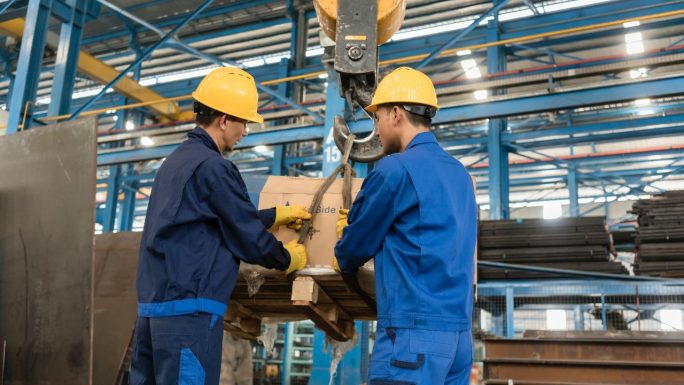
In industrial and commercial environments, efficient material movement and storage are essential for smooth operations. Warehouses, factories, and logistics centers require reliable equipment to improve productivity and maintain workplace safety.
Material handling equipment in Malaysia helps businesses move goods, raw materials, and heavy loads more efficiently while reducing manual effort and workplace risks. Investing in the right solutions allows companies to achieve safer, faster, and more productive operations.
What Is Material Handling Equipment?
Material handling equipment refers to machines, tools, and systems used to move, lift, store, and control materials throughout different stages of operations. These solutions are commonly used in warehouses, factories, construction sites, and logistics facilities.
Common types of material handling equipment include:
- Hand pallet trucks.
- Forklifts.
- Lift tables.
- Stackers.
- Conveyor systems.
- Trolleys and carts.
- Hoists and lifting equipment.
- Storage and handling systems.
Each type of equipment is designed to handle specific tasks, depending on factors such as load capacity, workplace environment, and operational requirements.
Why Is Material Handling Equipment Important?
Without suitable equipment, businesses may experience slower workflows, higher costs, and greater safety risks. Manual handling of heavy materials can also lead to workplace injuries and reduced productivity.
Using suitable equipment provides several benefits, including:
- Faster movement of goods.
- Reduced physical workload.
- Improved workplace organization.
- Better inventory management.
- Enhanced employee safety.
- Increased operational efficiency.
By selecting the right equipment, companies can optimize their workflow while creating a safer working environment.
How Material Handling Equipment Improves Workplace Efficiency
1. Speeds Up Material Movement
One of the biggest advantages of material handling equipment is its ability to improve the speed of transporting goods. Moving heavy or bulky materials manually can take significant time and effort.
Equipment such as pallet trucks, forklifts, and lift tables allows workers to:
- Move heavier loads more quickly.
- Reduce handling time.
- Improve loading and unloading processes.
- Complete tasks more efficiently.
Faster material movement helps businesses meet production targets and improve customer service.
2. Reduces Manual Labor Requirements
Handling heavy materials manually requires significant physical effort and may reduce employee productivity over time. Material handling equipment helps reduce the amount of manual work required.
For example:
- Lift tables help raise materials to comfortable working heights.
- Pallet trucks assist with moving goods across warehouses.
- Conveyor systems automate product transportation.
By reducing physical strain, employees can focus on other important tasks while improving overall workflow efficiency.
3. Improves Warehouse Organization
A well-organized warehouse allows businesses to locate, move, and manage products more effectively. Material handling equipment supports better storage and organization practices.
Benefits include:
- More efficient use of storage space.
- Easier inventory management.
- Reduced product handling errors.
- Faster order fulfillment.
Proper equipment selection helps create a more structured and productive workplace.
4. Supports Faster Loading and Unloading
Logistics and warehouse operations often involve frequent loading and unloading activities. Without proper equipment, these processes can become time-consuming and physically demanding.
Material handling solutions help businesses:
- Transfer goods between vehicles and storage areas.
- Handle large shipments efficiently.
- Reduce waiting times.
- Improve delivery processes.
This is especially important for companies managing high volumes of goods daily.
How Material Handling Equipment Improves Workplace Safety
Safety is one of the most important considerations in industrial environments. Improper handling of heavy materials can increase the risk of accidents, injuries, and equipment damage.
Material handling equipment helps improve safety by reducing risks associated with manual lifting and transportation.
1. Reduces Workplace Injuries
Heavy lifting and repetitive movement can cause injuries such as:
- Back strain.
- Muscle injuries.
- Fatigue-related accidents.
Using appropriate equipment allows workers to handle materials with less physical stress.
For example, lift tables and lifting equipment help employees adjust load heights, reducing the need for uncomfortable lifting positions.
2. Provides Better Load Control
Handling heavy materials requires proper control to prevent accidents. Equipment designed for material movement provides better stability and support.
Features that improve safety include:
- Strong load-bearing structures.
- Secure lifting mechanisms.
- Stable wheels and platforms.
- Safety locks and controls.
Better load control reduces the chances of materials falling or being damaged during transportation.
3. Creates Safer Workflows
Material handling equipment helps businesses establish safer working procedures by organizing how materials are moved around the workplace.
Examples include:
- Designated transportation routes.
- Proper storage systems.
- Reduced workplace congestion.
- Improved movement planning.
A safer workflow benefits both employees and business operations.
Common Types of Material Handling Equipment Malaysia
1. Hand Pallet Trucks
Hand pallet trucks are commonly used in warehouses and logistics facilities for moving palletized goods.
They are suitable for:
- Short-distance transportation.
- Loading and unloading tasks.
- Moving products within storage areas.
Their compact design makes them practical for various workplace environments.
2. Lift Tables
Lift tables are designed to raise and lower materials to suitable working heights.
They are useful for:
- Assembly operations.
- Manufacturing processes.
- Warehouse handling tasks.
Advantages include:
- Improved ergonomics.
- Reduced worker strain.
- Safer material positioning.
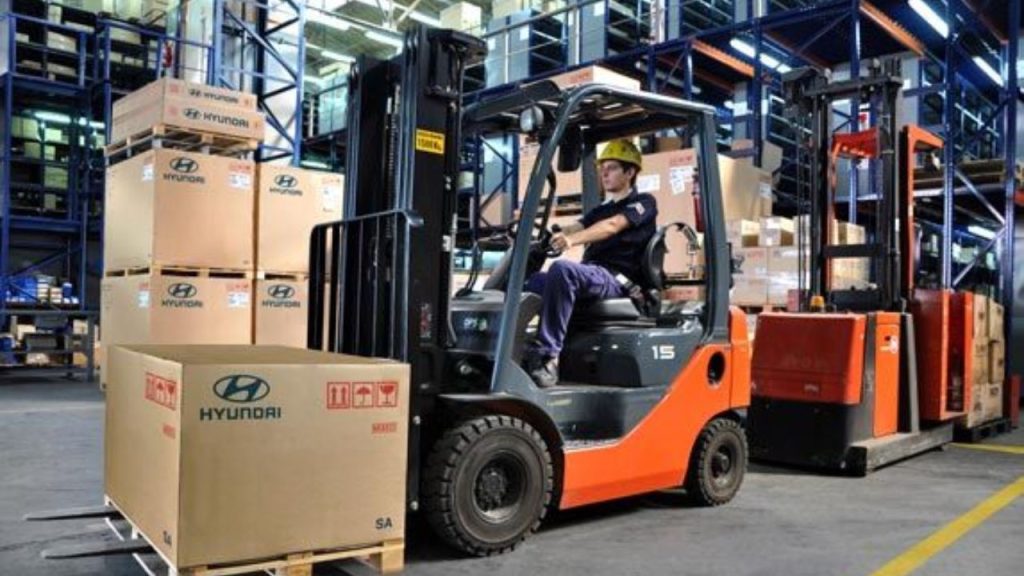
3. Forklifts
Forklifts are widely used for transporting and lifting heavy loads.
They are commonly found in:
- Warehouses.
- Manufacturing plants.
- Distribution centers.
Forklifts are suitable for handling large quantities of materials efficiently.
4. Conveyor Systems
Conveyor systems help automate the movement of products between different areas.
They are commonly used in:
- Production lines.
- Packaging facilities.
- Distribution centers.
Benefits include:
- Continuous material flow.
- Reduced manual transportation.
- Improved productivity.
Factors to Consider When Choosing Material Handling Equipment
Choosing the right equipment requires careful evaluation of workplace requirements.
1. Load Capacity
Businesses should consider:
- Maximum weight requirements.
- Material dimensions.
- Frequency of use.
Selecting equipment with suitable capacity ensures safe and efficient operations.
2. Workplace Environment
Different environments require different equipment specifications.
Consider factors such as:
- Available space.
- Floor conditions.
- Indoor or outdoor usage.
- Operating conditions.
The right equipment should match the workplace environment.
3. Safety Features
Safety should always be a priority when selecting material handling solutions.
Look for equipment with:
- Reliable braking systems.
- Safety controls.
- Durable construction.
- User-friendly operation.
4. Maintenance Requirements
Regular maintenance helps extend equipment lifespan and ensures reliable performance.
Businesses should consider:
- Ease of maintenance.
- Availability of replacement parts.
- Service support.
Well-maintained equipment operates more safely and efficiently.
The Importance of Investing in Quality Material Handling Equipment
While cost is an important consideration, businesses should focus on long-term value when purchasing material handling equipment.
High-quality equipment can provide:
- Longer service life.
- Better performance.
- Reduced repair costs.
- Improved workplace safety.
Investing in reliable solutions helps companies maintain efficient operations and reduce unnecessary downtime.
Conclusion
Material handling equipment in Malaysia plays a vital role in improving workplace efficiency, productivity, and safety. By reducing manual labor, improving material movement, and supporting better organization, these solutions help businesses operate more effectively.
Choosing the right equipment enables warehouses, logistics centers, and manufacturing facilities to achieve safer and more efficient workflows. With proper planning, maintenance, and equipment selection, businesses can achieve smoother operations and build a more productive workplace environment.