
In many industrial environments, handling heavy materials is part of daily operations. Warehouses, manufacturing plants, and logistics centres constantly move products from one level to another, and doing this manually can be inefficient and risky. Over time, businesses have turned to specialized equipment to improve productivity and reduce physical strain on workers.
One piece of equipment that has become increasingly common in these settings is the lift table for industrial use. Designed to raise, lower, and position heavy loads safely, this equipment helps streamline many material handling tasks. However, purchasing a lift table is not something that should be done without proper planning. Different workplaces have different operational requirements, and choosing the wrong equipment can lead to unnecessary costs or operational limitations.
Before making a decision, it is important to understand several factors that will influence whether the investment truly benefits your operations.
Understanding the Purpose and Application
The first thing to consider is how the lift table will actually be used in your facility. Industrial operations vary widely, and equipment that works well in one environment may not be suitable for another.
For example, some businesses use lift tables mainly for loading and unloading goods, while others rely on them to assist with assembly line work. The intended purpose will determine the type, size, and lifting mechanism required.
Common applications include:
- Loading and unloading pallets or containers
- Positioning materials during assembly processes
- Supporting maintenance and repair tasks
- Transferring items between different working heights
By identifying the specific tasks involved, businesses can narrow down the most suitable options. A lift table designed for light-duty packaging work may not perform well in a heavy manufacturing environment.
Weight Capacity Requirements
Another important factor to evaluate is the weight capacity. Industrial lifting equipment is designed with specific load limits, and exceeding those limits can lead to equipment damage or serious safety risks.
When determining the appropriate capacity, businesses should think beyond the average load. It is often better to select a model with a slightly higher capacity to provide a safety margin.
Consider these points when evaluating load requirements:
- The maximum load expected during daily operations
- The frequency of lifting operations
- Whether multiple items will be placed on the platform at once
- Potential future increases in workload
Selecting a lift table that matches the workload ensures smooth operations and reduces the likelihood of mechanical stress over time.
Lifting Height and Platform Size
The lifting range is another critical detail that should not be overlooked. Different industrial tasks require different working heights, and the lift table should be able to reach the levels needed for efficient workflow.
For instance, in warehouse environments, the table may need to raise goods to match the height of loading docks or conveyor systems. In manufacturing areas, it might be used to position parts at a comfortable working height for employees.
Platform size is equally important. A platform that is too small may not support the materials properly, while an oversized platform may take up unnecessary space.
When evaluating these specifications, consider:
- The dimensions of the items being lifted
- The height range required for operations
- The available workspace around the equipment
Choosing the right combination of lifting height and platform size helps create a more comfortable and efficient working environment.
Type of Lift Table Mechanism
Lift tables come in several different designs, each suited to specific operational needs. Understanding the available options can make the selection process much easier.
A few of the most popular types available are:
- Hydraulic lift tables – Known for their smooth lifting motion and strong lifting capability.
- Electric lift tables – Powered by electric motors, making them suitable for frequent lifting tasks.
- Manual lift tables – Operated by hand pumps and often used for lighter applications.
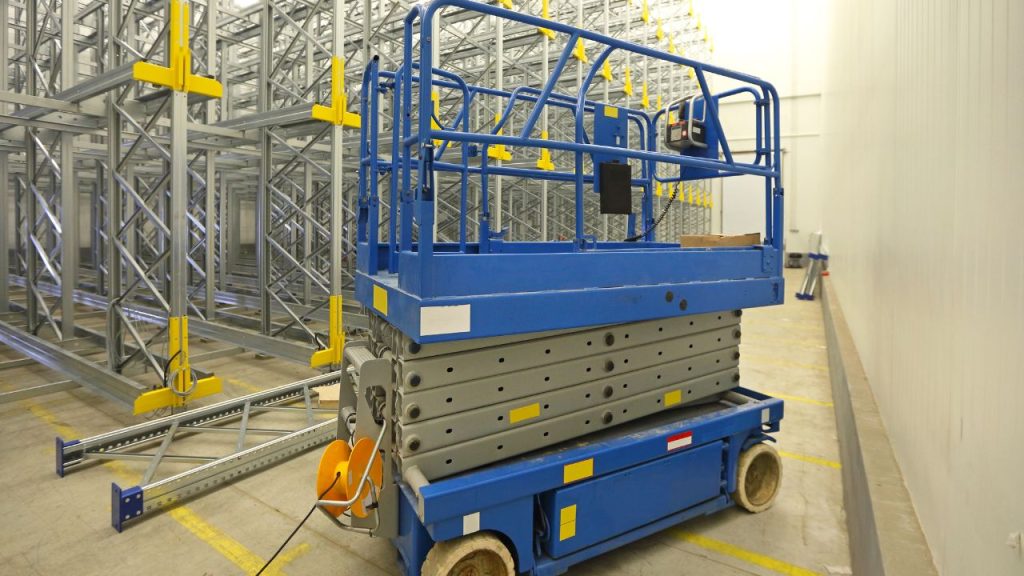
- Scissor lift tables – Featuring a scissor-style mechanism that provides stable vertical lifting.
Each design has its advantages depending on the workload and working conditions. Facilities that require frequent lifting may benefit from electric models, while smaller operations might find manual versions more practical.
Selecting the right mechanism ensures the equipment operates efficiently and aligns with the facility’s daily workflow.
Workplace Environment and Space Availability
Industrial equipment should always be selected with the working environment in mind. Even the most advanced lifting equipment can become impractical if the surrounding space does not support its use.
Before installing a lift table, it is helpful to examine the layout of the facility and identify the most suitable placement.
Some environmental factors to evaluate include:
- Available floor space and traffic flow
- Floor strength and load-bearing capacity
- Determining if the equipment will function indoors or outdoors
- Accessibility for operators and nearby machinery
Proper placement helps ensure that the lift table supports existing operations rather than disrupting them.
Safety Features and Compliance
Safety should always remain a top priority when introducing new equipment into an industrial setting. Lifting heavy materials involves potential risks, so it is important to choose equipment designed with appropriate safety features.
Many modern lift tables include built-in systems that protect both workers and equipment. These features help minimize accidents and ensure compliance with workplace safety standards.
Important safety elements may include:
- Emergency stop buttons for quick shutdown
- Overload protection mechanisms
- Guard rails or protective barriers
- Non-slip platforms to prevent material movement
Investing in a lift table for industrial use with reliable safety features helps reduce workplace injuries and creates a safer working environment for everyone involved.
Maintenance and Long-Term Reliability
Like any piece of industrial machinery, lift tables require regular maintenance to perform at their best. Businesses should evaluate how easy it is to service the equipment before making a purchase.
Reliable lift tables are typically built with durable materials and simple mechanical structures that allow technicians to perform inspections and repairs efficiently.
Routine maintenance tasks may include:
- Inspecting hydraulic systems and fluid levels
- Checking structural components for wear or damage
- Lubricating moving parts
- Testing safety features and control systems
Equipment that is easy to maintain tends to have a longer lifespan and lower overall operating costs.
Supplier Reputation and After-Sales Support
The quality of the supplier can be just as important as the equipment itself. A reputable supplier provides more than just a product; they offer guidance, technical support, and long-term service.
Working with a trusted provider ensures that businesses receive reliable equipment and assistance when needed. Suppliers with strong industry experience often understand the specific challenges faced by industrial operations.
Good suppliers typically offer:
- Product warranties
- Installation guidance
- Access to spare parts
- Ongoing technical support
Choosing the right supplier helps ensure that the investment remains beneficial long after the equipment has been installed.
Conclusion
Investing in industrial lifting equipment is a significant decision that should be approached carefully. While lift tables can greatly improve productivity and reduce physical strain on workers, their effectiveness depends largely on choosing the right model for the job.
With thoughtful planning and the right equipment selection, a lift table for industrial use can become a valuable asset that supports safer operations, smoother workflows, and improved efficiency across many types of industrial environments.