
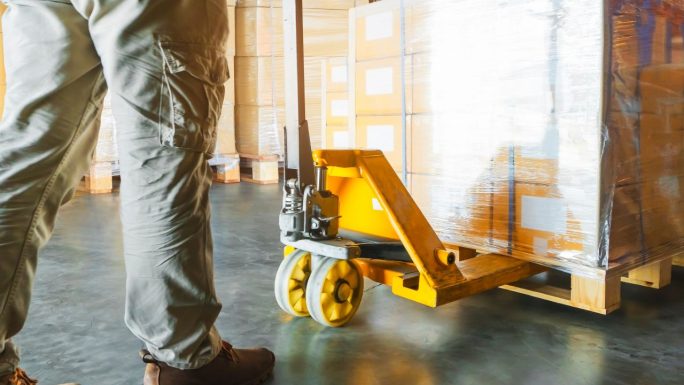
Warehouse operations rely on speed, organization, and reliable equipment. Every movement of goods, whether loading, unloading, or transporting items across a facility, depends on tools that work consistently. When equipment fails or becomes unavailable, even for a short period, operations can quickly slow down. In busy warehouses and logistics centres, this delay is known as operational downtime, and it can affect productivity, delivery timelines, and overall business performance.
Operational downtime often happens when material handling equipment breaks down unexpectedly or when replacement parts are not available quickly enough. When workers cannot move pallets efficiently, tasks begin to pile up, creating a chain reaction that disrupts daily operations. This is why choosing the right equipment provider is an important decision for many businesses.
A reliable pallet truck supplier does more than simply sell equipment. The right supplier can help businesses maintain smooth workflows, reduce equipment failures, and provide timely support when issues arise. With the proper equipment, service support, and industry knowledge, suppliers can play a key role in helping warehouses avoid unnecessary delays.
Understanding Operational Downtime in Warehousing
Operational downtime refers to the period when equipment or systems are unable to function as expected. In warehouse environments, downtime usually occurs when machinery stops working or when equipment becomes temporarily unavailable.
Even a small delay can disrupt multiple parts of the workflow. For example, if workers cannot move pallets from one area to another, it may slow down picking, packing, and shipping tasks. Over time, repeated interruptions can reduce productivity and increase operational costs.
Several factors commonly contribute to downtime in warehouse environments:
- Equipment wear and tear from daily use
- Lack of regular maintenance or inspections
- Delayed repair services
- Limited access to spare parts
- Use of low-quality equipment
When these issues occur frequently, the efficiency of warehouse operations can decline. Employees may spend more time waiting for equipment instead of completing tasks, which ultimately affects business output.
Access to High-Quality Pallet Trucks
One of the simplest ways to reduce downtime is by using equipment that is built to handle demanding workloads. Pallet trucks are used frequently throughout the day, so their durability and performance directly influence how smoothly a warehouse operates.
High-quality pallet trucks are designed to withstand constant movement, heavy loads, and long hours of operation. Reliable equipment minimizes unexpected breakdowns and ensures that workers can complete tasks without interruption.
A dependable supplier typically offers equipment that meets industry standards and safety requirements. This helps businesses avoid common issues associated with low-quality machinery, such as weak hydraulic systems or unstable load handling.
Some advantages of investing in well-built pallet trucks include:
- Stronger lifting mechanisms that handle heavy loads safely
- Durable wheels designed for continuous warehouse movement
- Longer equipment lifespan with fewer breakdowns
- Improved safety for warehouse employees
When warehouses use equipment that performs reliably, workers can move goods more efficiently, helping maintain a consistent pace throughout the workday.
Faster Maintenance and Repair Support
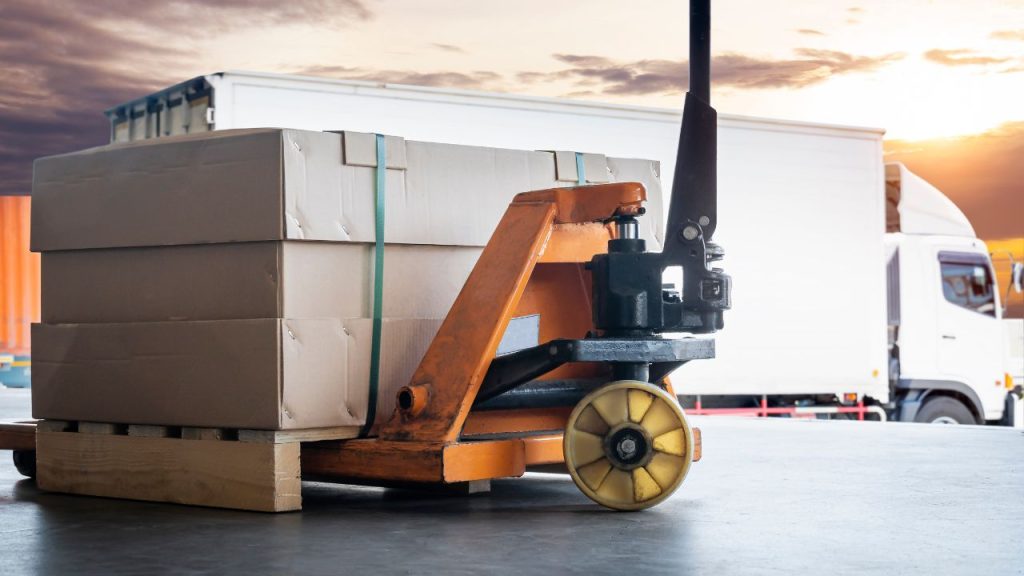
Even the best equipment requires occasional maintenance. Over time, components may wear down due to constant use, especially in fast-paced logistics environments. Without proper support, small mechanical issues can quickly develop into larger problems that halt operations.
This is where supplier support becomes extremely valuable. A dependable supplier often provides technical assistance, maintenance guidance, or repair services to help businesses address issues quickly.
Regular maintenance helps prevent unexpected breakdowns and ensures equipment remains in good working condition. Maintenance support may include inspections, hydraulic system checks, or replacement of worn parts before they cause serious failures.
Some important benefits of regular maintenance support include:
- Early detection of mechanical problems
- Reduced risk of sudden equipment failure
- Improved safety for workers handling loads
- Longer operational life for pallet trucks
Quick maintenance responses also allow warehouses to resume operations faster when problems occur. Instead of waiting days for repairs, businesses can resolve issues quickly and keep workflows moving.
Easy Access to Spare Parts
Another common cause of downtime is the lack of readily available spare parts. When a pallet truck component breaks, operations may stop until the correct replacement part is found and installed. In some cases, delays occur because parts must be ordered from overseas suppliers or specialized distributors.
Working with an experienced pallet truck supplier can help reduce these delays. Reliable suppliers usually maintain an inventory of commonly used components, making it easier for businesses to obtain replacements quickly.
Having access to spare parts can significantly reduce repair time. Instead of waiting for weeks, warehouse teams can replace faulty components and restore equipment within a much shorter period.
Common spare parts that suppliers may provide include:
- Hydraulic pump components
- Wheels and rollers
- Seals and gaskets
- Control handles and lifting mechanisms
When spare parts are easily accessible, repairs become faster and more convenient. This helps warehouses minimize downtime and maintain steady operations.
Expert Advice on Equipment Selection
Selecting the right pallet truck for a warehouse environment is not always as simple as choosing the first option available. Different operations have different requirements, and using the wrong equipment may lead to inefficiency or premature equipment wear.
A knowledgeable pallet truck supplier can help businesses choose equipment that suits their operational needs. By understanding factors such as load capacity, warehouse layout, and daily usage levels, suppliers can recommend models that perform effectively in specific environments.
For example, warehouses that handle heavy loads may require equipment with higher lifting capacity. Facilities with narrow aisles may benefit from compact pallet trucks designed for tighter spaces.
Professional guidance during the purchasing process helps businesses avoid costly mistakes and ensures equipment performs reliably in the long term.
Consistent Equipment Availability
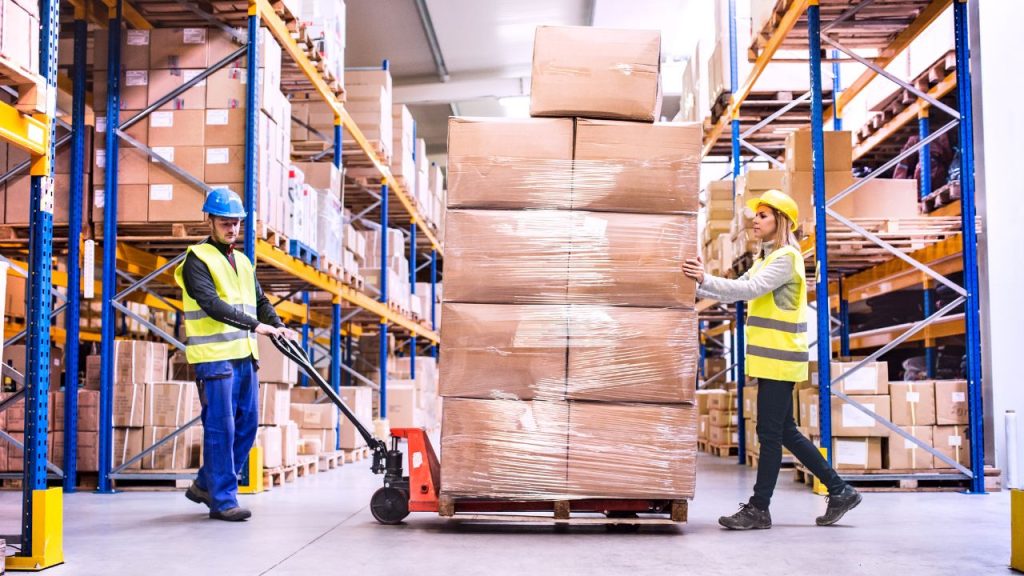
Warehouse demand can fluctuate throughout the year. During peak seasons or large shipment periods, companies may require additional equipment to handle increased workloads.
If enough pallet trucks are not available, employees may need to wait for equipment before completing tasks. This delay slows down productivity and increases operational stress during busy periods.
Reliable suppliers help businesses maintain equipment availability when demand increases. By offering flexible supply options or quick delivery, suppliers allow warehouses to expand their capacity when necessary.
With sufficient equipment available, workers can maintain efficiency even during high-demand periods.
Long-Term Partnership and Operational Support
Over time, building a relationship with a trusted supplier can provide additional benefits beyond equipment purchases. Long-term partnerships allow suppliers to understand a business’s operational challenges and offer solutions that improve efficiency.
When suppliers become familiar with warehouse operations, they can recommend upgrades, suggest maintenance schedules, or introduce new equipment that improves productivity.
A strong partnership also provides peace of mind. Businesses know they have a reliable source for equipment, spare parts, and technical support whenever they need assistance.
Conclusion
A reliable supplier provides durable equipment, maintenance support, spare parts access, and expert advice that helps warehouses operate smoothly. With dependable equipment and responsive service, companies can minimize interruptions and keep daily operations running efficiently.