
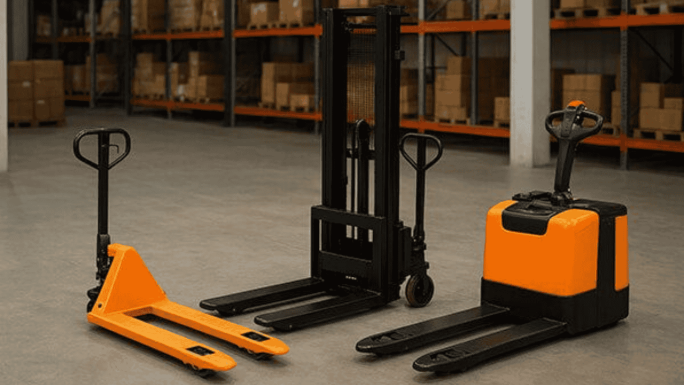
Hand jacks are essential equipment in many workplaces, including warehouses, factories, retail storerooms, and delivery operations. They help move heavy loads efficiently and reduce physical strain. However, when used improperly, hand jacks can lead to serious injuries, equipment damage, and costly downtime. To protect workers and maintain productivity, it’s essential to understand proper hand jack safety practices.
In this article, we’ll explore key safety tips for operating hand jacks, common hazards to watch for, and best practices for injury prevention in the workplace. Whether you manage a team or frequently operate a hand jack yourself, these safety guidelines can help create a safer work environment.
Why Hand Jack Safety Matters
Hand jacks are simple in design but powerful in function. They rely on leverage and mechanical advantage to lift and transport heavy loads. If operated incorrectly, however, even a small error in judgment can result in:
- Sprains, strains, and back injuries
- Crushed hands or feet
- Slips, trips, and falls
- Load shifts or tip‑overs
- Property damage and downtime
Workplace injuries not only affect employee health but also impact morale, productivity, and company costs. Prioritizing hand jack safety not only minimizes injury risks but also supports efficient daily operations.
Know Your Equipment
Before using a hand jack, workers should be familiar with the specific model being used:
1. Read the Manual
Each hand jack comes with manufacturer guidelines. The manual includes load capacities, operating procedures, and maintenance tips. Always review these details carefully before using the equipment for the first time.
2. Identify Load Capacity
Never lift more than the rated capacity of the hand jack. Overloading can damage the jack, cause sudden failure, and lead to serious injuries. Load capacity is usually listed on the jack’s frame.
3. Inspect Before Use
Before every use, inspect the hand jack for:
- Cracks or bends in the frame
- Damaged wheels or bearings
- Leaks in hydraulic systems
- Loose or missing parts
If problems are discovered during inspection, do not use the jack until it has been properly repaired by a trained professional.
Proper Operating Techniques
Safe operation starts with the correct handling of the hand jack:
1. Position the Jack Correctly
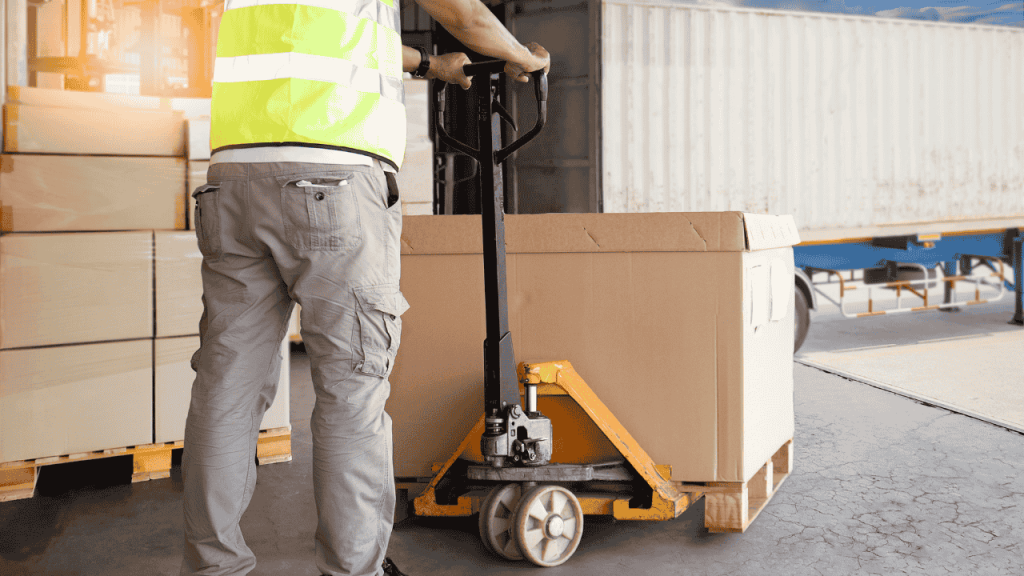
Always place the jack directly under the load’s center of gravity. A load placed off‑center can slip, causing imbalance or tip‑over.
2. Maintain Clear Visibility
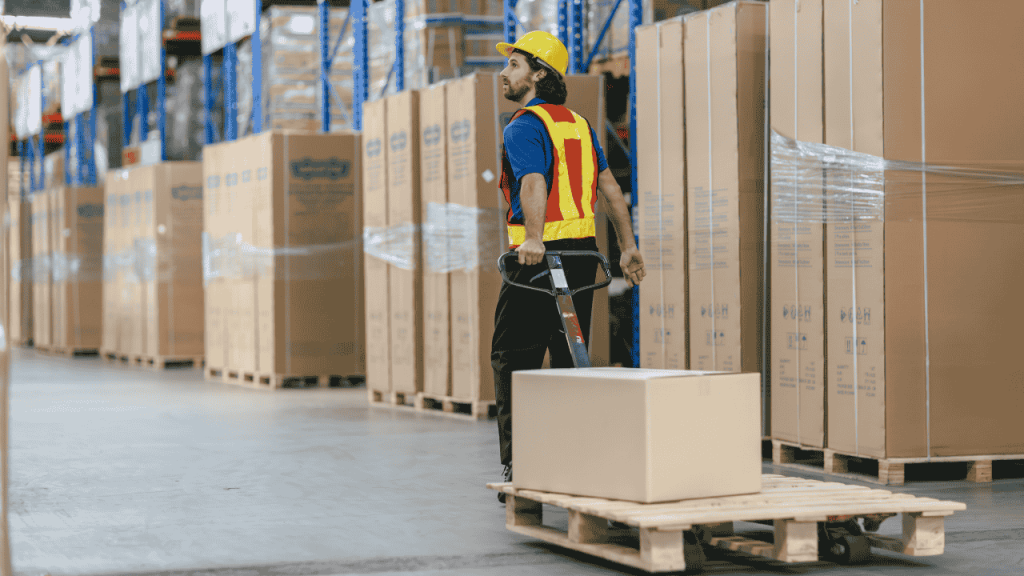
Ensure you have a clear line of sight when moving loads. Avoid turning your back on the direction of travel.
3. Use Smooth, Controlled Movements
Avoid jerky motions when lifting or lowering. Sudden movements can destabilize the load and increase the risk of injury.
4. Never Ride the Jack
Some workers may be tempted to ride on a hand jack to move faster, but this is extremely dangerous and can cause falls and serious injuries.
Workplace Hazards to Watch For
Even with proper technique, environments can create risks. Be aware of the following workplace hazards:
1. Uneven or Slippery Floors
Wet, oily, or uneven surfaces drastically increase the risk of slipping and jack instability. Ensure the floor is clean, dry, and level before transferring the load.
2. Obstacles and Clutter
Obstructions such as boxes, scattered debris, and loose cords can easily lead to trips and falls. Keep work areas tidy and well‑organized.
3. Low Lighting
Poor lighting reduces visibility and increases the chance of missteps or collisions. Ensure all work zones are well‑lit.
4. Tight or Narrow Spaces
Tight aisles and narrow walkways make maneuvering difficult. Use extra caution and consider alternative routes if necessary.
Load Handling and Balance
Understanding load behavior is critical for safe operation:
1. Know Load Dimensions
Before lifting, carefully evaluate the load’s size and how its weight is distributed. Heavy items should be placed over the center of the jack’s forks.
2. Secure the Load
Use straps, shrink wrap, or pallet bands to secure loose items. A shifting load can cause imbalance and accidents.
3. Avoid Stacking Too High
High stacks are unstable and prone to tipping. Keep the load at a manageable height to maintain control.
Personal Protective Equipment (PPE)
Wearing proper PPE adds an extra layer of protection:
1. Safety Shoes
Steel‑toe shoes protect feet from crush injuries. They also provide better traction on warehouse floors.
2. Gloves
Durable work gloves improve handling stability and reduce the risk of cuts, abrasions, and hand injuries.
3. High‑Visibility Clothing
In high-traffic areas, wearing a high-visibility vest helps prevent accidents by increasing awareness among workers.
Training and Certification
Proper training is a cornerstone of hand jack safety:
1. Formal Training Programs
Schedule periodic safety training to strengthen employees’ skills in hand jack operation and workplace risk management.
2. Supervised Practice
New operators should practice under supervision until they demonstrate safe handling and confidence with the equipment.
3. Refresher Courses
Routine refresher training reinforces safety practices and keeps skills up-to-date.
Communication and Signage
Clear communication helps reinforce safe practices:
1. Posted Safety Guidelines
Ensure safety guidelines are clearly displayed in key areas such as workstations and loading docks.
2. Hand Signals
In noisy environments, use standard hand signals for communication between operators and helpers.
3. Team Briefings
Before starting major tasks, brief teams on hazards, roles, and safety checkpoints.
Proper Maintenance and Repairs
A well‑maintained hand jack is safer and more reliable:
1. Routine Inspection Schedule
Schedule periodic inspections by trained technicians to check hydraulic fluid levels, wheel bearings, and frame integrity.
2. Lubrication
Keep moving parts well‑lubricated to ensure smooth operation and prevent premature wear.
3. Prompt Repairs
Don’t delay repairs. A small defect can become a major hazard if ignored.
Emergency Procedures and First Aid
Even with the best safety measures, accidents can happen. Preparation is key:
1. First Aid Training
Ensure staff are trained in basic first aid procedures and have easy access to a first aid kit.
2. Emergency Response Plan
Define straightforward protocols for handling workplace injuries, covering both reporting and access to medical support.
Safety Checklist for Hand Jack Operators
Use this checklist to reinforce safe operation:
- Read and understand the hand jack manual
- Inspect the jack before use
- Wear appropriate PPE
- Keep the travel path clear
- Secure and balance loads
- Use smooth, controlled movements
- Avoid overloading
- Maintain communication
Benefits of Prioritizing Hand Jack Safety
Investing in safety delivers tangible benefits:
1. Reduced Injuries and Lost Time
Fewer accidents mean fewer injury claims and less downtime, keeping operations running smoothly.
2. Increased Productivity
Trained workers are more confident and efficient, leading to faster and safer job completion.
3. Cost Savings
Reduced equipment damage and fewer compensation claims help lower operational costs.
4. Improved Workplace Culture
Ensuring safety at work strengthens morale and trust, supporting better teamwork and long-term employee retention.
Conclusion
Hand jack safety isn’t optional—it’s an essential part of modern workplace operations. From understanding equipment limits to maintaining clean pathways and proper load handling, safe practices protect both workers and business productivity.
By combining employee training, guideline enforcement, regular equipment checks, and the right tools, businesses can cut the risk of injuries and losses. Hand jack safety starts with awareness and continues with consistent, proactive action.
With the right safety culture, hand jacks become valuable assets rather than hazards, supporting efficient material handling and a safer workplace for everyone.