
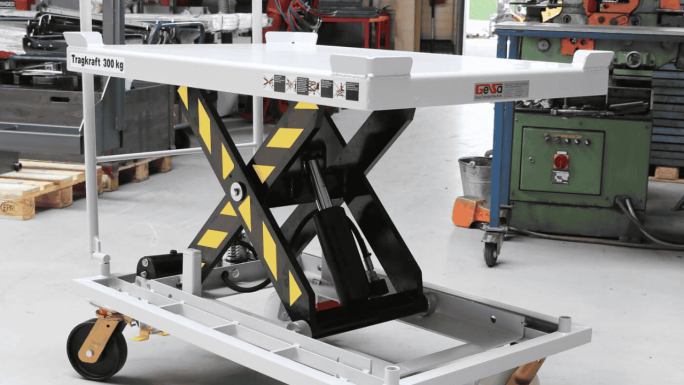
In today’s fast-paced industrial and commercial environments, businesses must constantly seek ways to improve efficiency, enhance workplace safety, and optimize operational workflows. One tool that plays a significant role in achieving these goals is the lift table. Lift tables are versatile pieces of material handling equipment designed to raise, lower, and position goods or heavy loads safely and efficiently. Whether used in warehouses, manufacturing plants, logistics centers, or workshops, choosing the right lift table for your business operations can make a substantial difference in productivity and safety.
This article will explore what lift tables are, the benefits they bring, the types available, factors to consider when choosing one, and best practices for ensuring you invest in the most suitable solution for your needs.
Understanding Lift Tables
A lift table is a device that uses a scissor mechanism, hydraulic, pneumatic, or electric system to raise or lower materials. Its primary function is to position goods at the ideal working height, minimizing the strain of repetitive lifting, bending, or stretching. While the most common design is the scissor lift table, many variations exist to accommodate different industrial applications.
Typical uses of lift tables include:
- Loading and unloading pallets.
- Adjusting workpieces to an ergonomic height.
- Moving heavy loads across short distances.
- Assisting in assembly line production.
- Acting as adjustable workstations.
By reducing manual handling, lift tables lower the risk of workplace injuries, improve efficiency, and enhance overall workflow.
Key Benefits of Using Lift Tables
Before diving into the selection process, it’s worth considering why businesses invest in lift tables in the first place:
1. Enhanced Workplace Safety
Manual handling of heavy goods can lead to back injuries, strains, and repetitive stress disorders. Lift tables reduce these risks by ensuring workers don’t have to lift or bend excessively.
2. Improved Productivity
By providing adjustable heights and easy load positioning, lift tables reduce wasted time and effort. Workers can focus on the task at hand rather than wrestling with heavy objects.
3. Ergonomic Work Environment
Adjustable platforms enable workers to work comfortably, reducing fatigue and increasing job satisfaction.
4. Versatility in Applications
Lift tables can handle a variety of tasks, from precision assembly lines to warehouse loading docks, making them ideal for industries like manufacturing, automotive, retail, and logistics.
5. Cost Savings Over Time
Though they require upfront investment, lift tables lower long-term costs by reducing workplace injuries, improving efficiency, and prolonging equipment lifespan through safer handling.
Common Types of Lift Tables
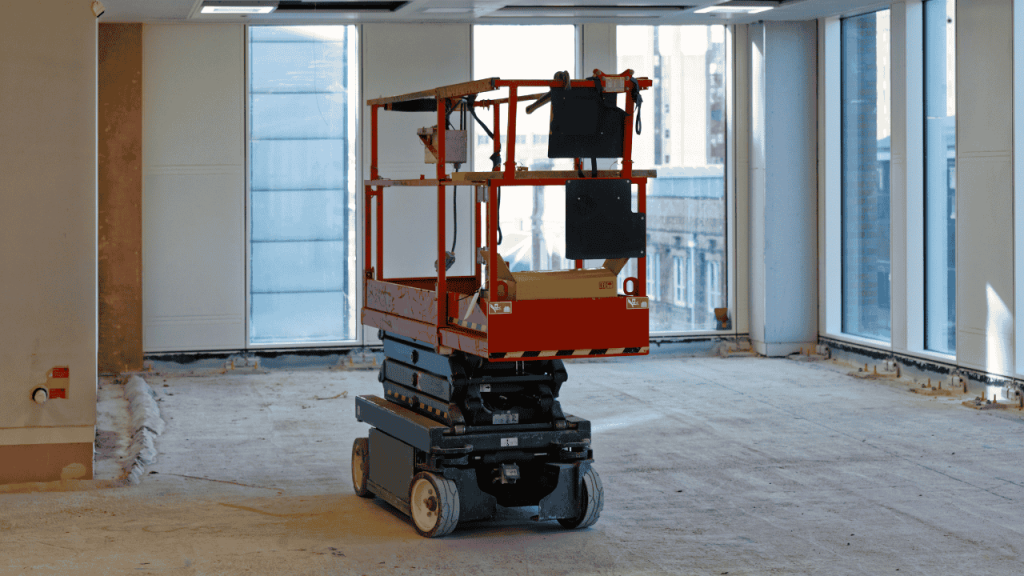
Not all lift tables are created equal. To make the right choice, you should first understand the main types available:
1. Hydraulic Lift Tables
The most common type, powered by hydraulic cylinders, is ideal for heavy-duty lifting tasks. Known for strength, reliability, and affordability.
Best for: Warehouses, factories, and heavy-duty applications.
2. Electric Lift Tables
Operated using an electric motor, these are quick, precise, and ideal for frequent use.
Best suited for: Assembly lines and operations that require speed and accuracy.
3. Pneumatic Lift Tables
Powered by compressed air, they are suitable for environments where electricity or hydraulic fluids are not ideal.
Best for: Cleanrooms, hazardous environments, or industries sensitive to contamination.
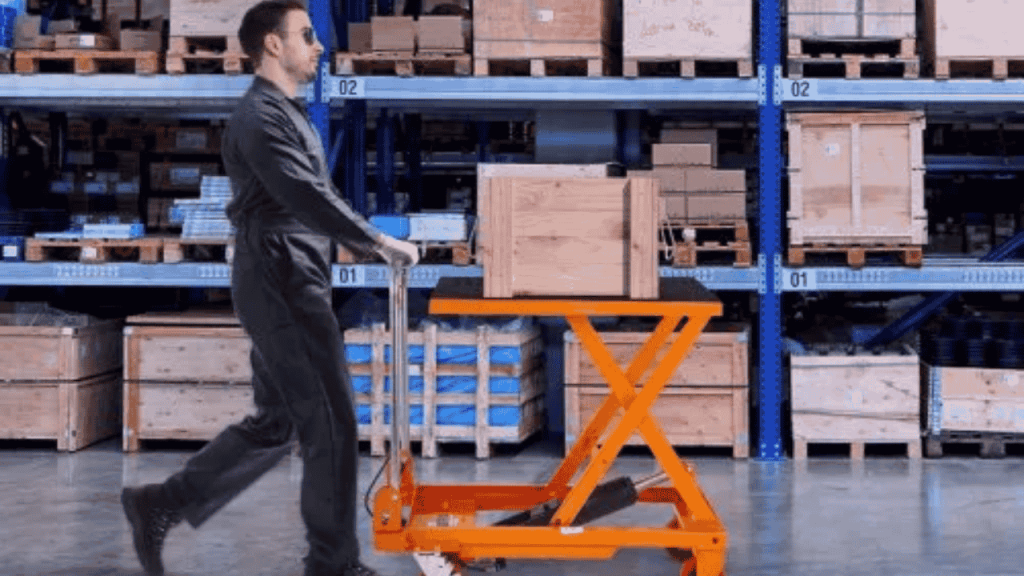
4. Mobile Lift Tables
Equipped with wheels, these tables offer flexibility in moving loads across a facility.
Best for: Operations that require transporting goods across different work areas.
5. Low-Profile Lift Tables
Designed with a very low collapsed height, allowing easy loading with a pallet jack.
Best for: Workflows where pit installation is not possible, and low clearance is required.
6. Double-Scissor Lift Tables
Provide extra lift height using two scissor mechanisms stacked vertically.
Best for: Applications that require higher reach without compromising stability.
Factors to Consider When Choosing a Lift Table
Selecting the right lift table is not just about picking the strongest or most advanced model. It’s about aligning the equipment with your specific operational needs. Here are the most important factors:
1. Load Capacity
Determine the maximum weight your lift table will regularly handle. Choosing a model with insufficient capacity can lead to equipment failure and safety hazards. Always opt for a table that exceeds your heaviest load to provide a margin of safety.
2. Platform Size
Consider the size and dimensions of the items being lifted. Oversized or undersized platforms can compromise stability and efficiency.
3. Lift Height Range
Check both the minimum and maximum heights required for your tasks. For example, loading docks may require higher lifts, while assembly lines often need ergonomic working heights.
4. Power Source
Hydraulic, electric, and pneumatic systems each have their pros and cons. Evaluate your facility’s energy infrastructure and usage frequency before making a decision.
5. Mobility vs. Stationary Use
If your operation requires flexibility, a portable lift table may be more useful. On the other hand, fixed tables offer more stability for stationary workflows.
6. Ergonomics
Ensure the lift table is adjustable to suit various working heights, reducing strain and boosting worker comfort.
7. Safety Features
Look for safety enhancements such as overload protection, toe guards, emergency stop buttons, non-slip platforms, and mechanical locks.
8. Environment
Consider whether the lift table will operate in a cleanroom, outdoor setting, or hazardous environment. Materials like stainless steel may be required for hygienic or corrosive conditions.
9. Budget and ROI
While cost is a major consideration, focus on long-term return on investment. A higher-quality lift table may reduce downtime, maintenance costs, and accidents, saving money in the long run.
Steps to Implement the Right Lift Table
- Assess Operational Needs: Conduct a workflow analysis to understand lifting requirements.
- Engage with Suppliers: Consult with reputable suppliers who can offer solutions for your business.
- Trial and Feedback: If possible, test a unit in your environment before making a purchase.
- Training: Ensure staff are trained in safe operation and basic maintenance.
- Maintenance Plan: Establish regular inspections and servicing to prolong equipment life.
Best Practices for Maximizing Lift Table Efficiency
- Regular Maintenance: Lubricate moving parts, check hydraulic fluid, and inspect safety features.
- Proper Training: Train employees on the correct operation to prevent misuse and accidents.
- Load Distribution: Always distribute weight evenly on the platform.
- Avoid Overloading: Never exceed the rated capacity, even temporarily.
- Safety Checks: Encourage operators to perform daily checks before use.
Conclusion
Choosing the right lift table for your business operations is not a decision to be taken lightly. With the wide variety of types, capacities, and features available, selecting the wrong equipment could lead to inefficiencies, higher costs, or safety issues. However, by carefully considering factors such as load capacity, lift height, power source, and workplace environment, businesses can invest in a lift table that not only meets operational needs but also enhances safety, boosts productivity, and delivers long-term value.
A lift table is more than just a piece of equipment—it’s an investment in workplace efficiency and employee well-being. By making the right choice, your business will be well-positioned to streamline operations and maintain a competitive edge.